
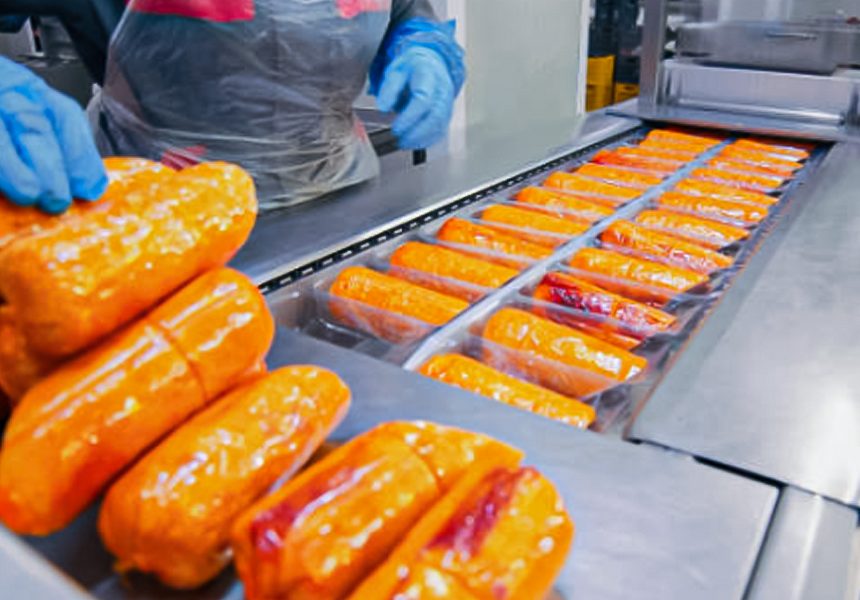
What Is High Pressure Processing?
High Pressure Processing (HPP) is an advanced non-thermal food preservation technology that uses extremely high levels of hydrostatic pressure—typically between 400 and 600 MPa—to eliminate harmful microorganisms while preserving the food’s natural quality. Unlike traditional thermal pasteurization, HPP does not rely on heat, allowing products to maintain their original taste, texture, color, and nutritional value.
Today, HPP is widely used in the production of juices, ready-to-eat meals, meat products, seafood, dairy products, baby food, and pet food.
How Does HPP Work?
During the HPP process, food products are sealed in flexible, water-resistant packaging and loaded into a pressure vessel. Water is used as the pressure-transmitting medium, and pressure is applied uniformly from all directions.
The high pressure inactivates pathogens and spoilage microorganisms by disrupting their cellular functions, significantly improving food safety and extending shelf life without the need for chemical preservatives.
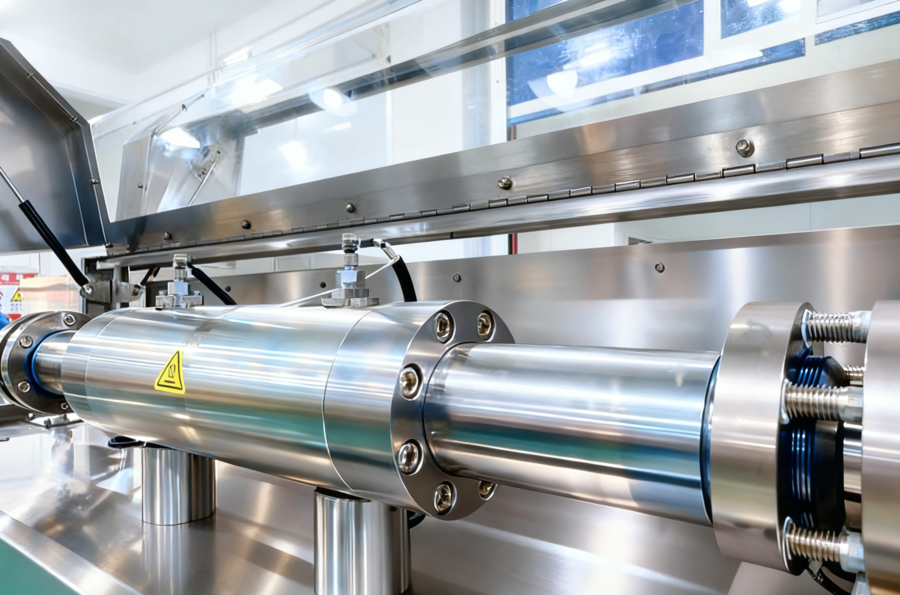
Key Benefits of High Pressure Processing
1. Enhances Food Safety
Food safety is one of the primary reasons manufacturers adopt HPP technology. High pressure effectively inactivates harmful bacteria such as Salmonella, Listeria monocytogenes, and E. coli while maintaining product integrity.
By reducing microbial contamination, HPP helps manufacturers comply with increasingly strict food safety regulations and consumer expectations.
2. Extends Shelf Life Naturally
HPP can significantly extend the shelf life of food products compared to untreated alternatives.
Depending on the product category, shelf life may increase by two to five times or even longer, reducing food waste and improving distribution efficiency. This allows manufacturers to expand into new markets while maintaining product quality throughout transportation and storage.
3. Preserves Nutritional Value
Traditional heat treatments can degrade heat-sensitive nutrients such as vitamins, antioxidants, and bioactive compounds.
Since HPP uses pressure rather than heat, it helps preserve essential nutrients and functional ingredients. This makes it particularly attractive for premium health foods, cold-pressed juices, and functional beverages.
4. Maintains Fresh Taste and Natural Appearance
Consumers increasingly demand minimally processed foods with clean labels and fresh characteristics.
HPP helps retain the original flavor, color, aroma, and texture of foods, creating products that are closer to their fresh state. The result is a superior eating experience that aligns with current market trends.
5. Reduces the Need for Preservatives
Many manufacturers use HPP to support clean-label product development.
Because HPP effectively controls microbial growth, companies can reduce or eliminate artificial preservatives while still achieving required shelf-life targets. This meets growing consumer demand for natural and transparent ingredient lists.
6. Supports Sustainable Food Production
By extending shelf life and reducing spoilage, HPP helps minimize food waste throughout the supply chain.
The technology also enables more efficient inventory management and distribution, contributing to sustainability goals and reducing the environmental impact associated with discarded food products.
7. Expands Product Innovation Opportunities
HPP allows manufacturers to develop innovative products that may not be feasible with conventional thermal processing.
From premium juices and fresh salsas to plant-based foods and functional nutrition products, HPP enables brands to introduce new offerings while maintaining high quality standards.
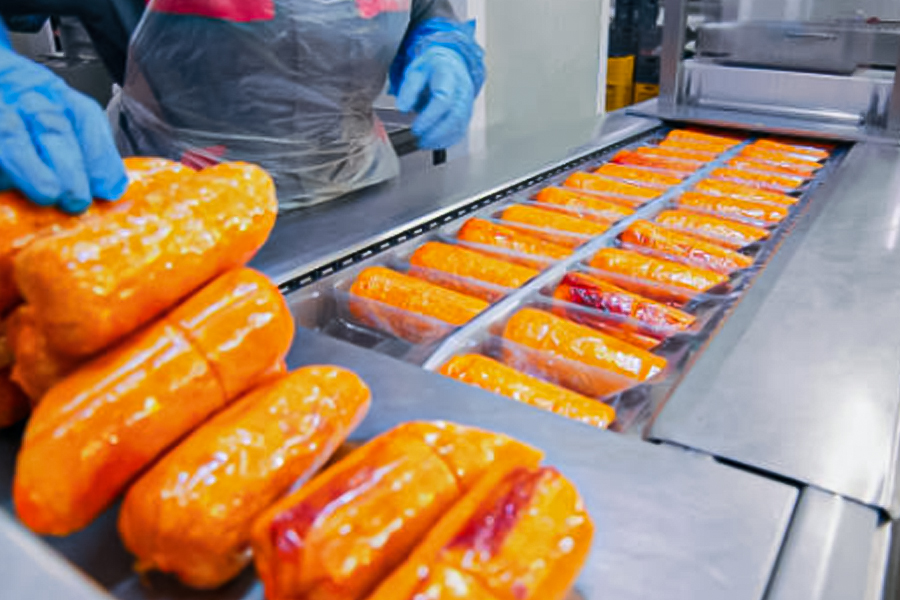
Industries Benefiting from HPP
High Pressure Processing is increasingly used across multiple industries, including:
- Fruit and vegetable juices
- Meat and poultry products
- Seafood processing
- Dairy products
- Ready-to-eat meals
- Baby food
- Pet food
- Functional foods and beverages
- Cosmetic and biotechnology applications
As consumer demand for safe, fresh, and minimally processed products continues to grow, HPP adoption is expected to accelerate worldwide.
Conclusion
High Pressure Processing has become one of the most effective food preservation technologies available today. By enhancing food safety, extending shelf life, preserving nutrients, maintaining product quality, and reducing reliance on preservatives, HPP provides significant advantages for food manufacturers seeking to meet modern consumer expectations.
As the food industry continues to prioritize quality, sustainability, and innovation, HPP technology will play an increasingly important role in the future of food processing.