
HPP Sterilization Technology
15 years of self-developed, patented technology, and full-service
Contact UsWhat is HPP technology?
HPP (High Pressure Processing) exposes food to ultra high pressure via a water medium for several minutes at low or room temperature, effectively killing bacteria, viruses, yeast, and mold, whether spoilage or pathogenic.
HPP Technology VS Traditional Sterilization
Traditional sterilization methods (e.g., thermal processing) may damage nutrients and flavor, while high-pressure sterilization is performed at low temperatures, better preserving product quality, enhancing taste, and retaining natural nutrition that heat treatment cannot achieve.
How do we differ from other HPP equipment manufacturers?
We are more than an equipment supplier—we are a strategic partner. We actively support our clients’ R&D processes with full lifecycle services, working alongside them to solve technical challenges and drive product performance and industrialization breakthroughs.
High Pressure Processing Technology
We provide the most comprehensive high pressure processing machine in the industry, suitable for the processing of packaged goods (In Pack) and bulk liquid food (In Bulk).
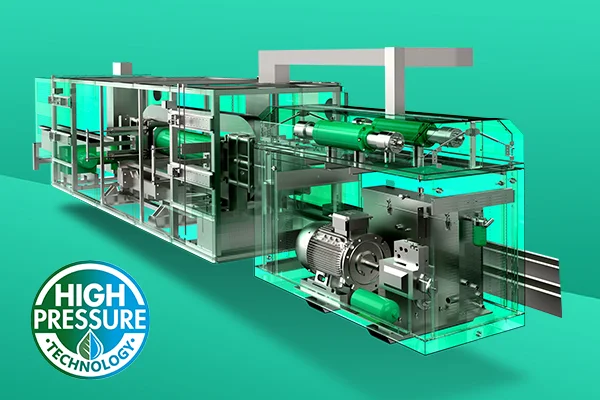
The Advantages of High Pressure Processing(HPP)


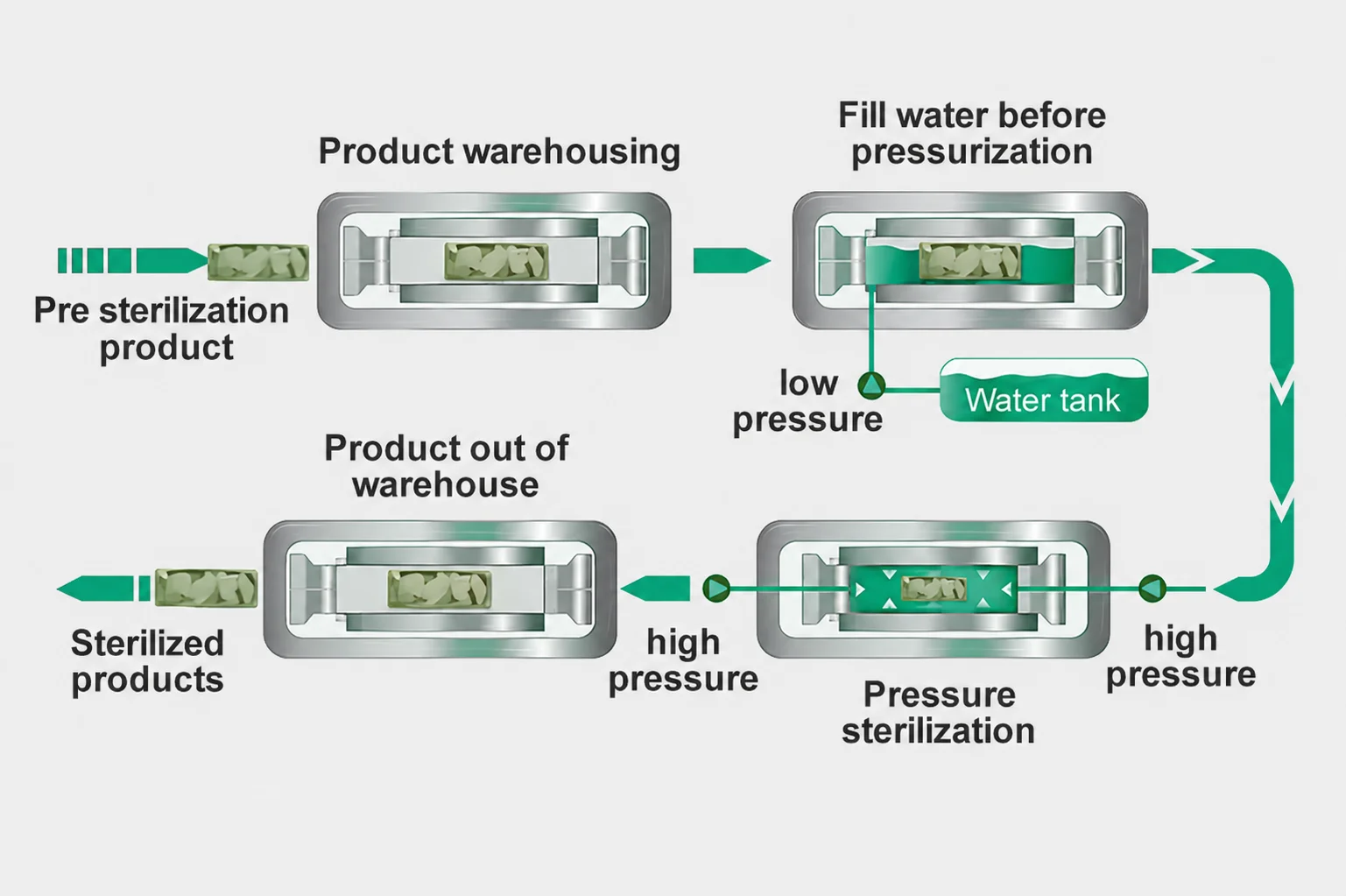
Principles of High Pressure Processing(HPP) Technology
The working principle of HPP technology is based on the effect of ultra-high pressure on the structure of microbial cells. Specifically:
- Cell structure destruction: Ultra high pressure can destroy the morphology of microbial cells, causing cell membrane rupture and releasing cell contents, thereby killing bacteria and other microorganisms.
- Enzyme inactivation: High pressure treatment affects the enzyme system of food raw materials and microorganisms, causing their inactivation and delaying the natural deterioration process of food.
- Protein denaturation: When the pressure exceeds 300MPa, high pressure can cause irreversible denaturation of proteins, further inhibiting microbial growth.
- Changes in cell membrane permeability: High pressure changes the permeability of the cell membrane, inhibits enzyme activity and the replication of genetic material such as DNA, and achieves bactericidal effects.
HPP Sterilization Principle

HPP Is A High Value-Added Technology
HPP technology has revolutionized traditional thermal processing methods for food sterilization, bringing about a revolutionary improvement in quality for the food industry and driving the food industry’s transition toward healthier and higher-end products.
| Comparison items | HPP (High Pressure Processing) Technology | NFC (Non Concentrated Reduced Juice) |
|---|---|---|
| Security | – Efficient sterilization without the need for additives (suitable for heat sensitive foods) | – Dependent on cold chain (requires additives to ensure safety) |
| Cost | – High equipment cost, significant long-term benefits | – Possible cost increase due to cold chain |
| Quality guarantee period | – Significantly prolonged and reduced dependence on preservatives | – Short, usually requiring refrigeration |
| Application scope | – Widely applicable to various industries such as food, beverage, cosmetics, pharmaceuticals, and chemicals | – Mainly used for fruit juice, with limited applications |
| Environmental impact | – Physical methods, reducing chemical additives, more environmentally friendly | – Natural, but cold chain may increase environmental burden |
| Market positioning | – Meet the demands of the high-end market and enhance brand value | – Positioned as high-end, HPP can further enhance its attractiveness |
HPP Technology VS Traditional Sterilization
| HPP (High Pressure Processing) | Thermal Sterilization | Chemical Sterilization | |
|---|---|---|---|
| Market acceptance | Excellent | Good | Poor |
| Preserve the original flavor | Excellent | Good | Average |
| Preserve organoleptic properties | Excellent | Good | Poor |
| Sterilization temperature | Below 50°C | 100°C or more | – |
| Post-packaging sterilization | Yes | Yes | Yes |
| Special packaging requirements | Limited to soft packaging materials | Required | Not required |
| Bactericidal range effect | Internal and external sterilization | Internal and external sterilization | Surface sterilization |
| Special marking needs | None | None | Required |
| Product shelf life | At least 2-5 times | 1 time | Depends on amount added |
| Product sales advantages | Excellent | Average | Poor |
One-on-one Expert Support With Tailored Solutions
From process adaptation and parameter optimization to production line design, we provide one-stop customization services.