
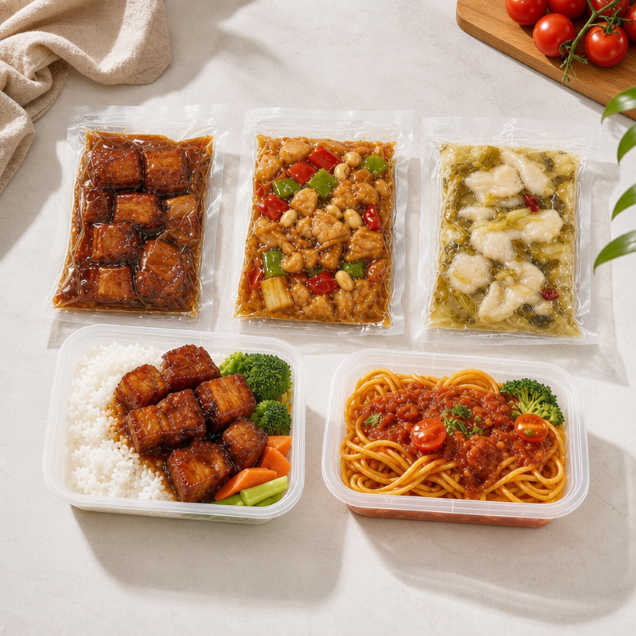
HPP Applications in Ready-to-Eat Food
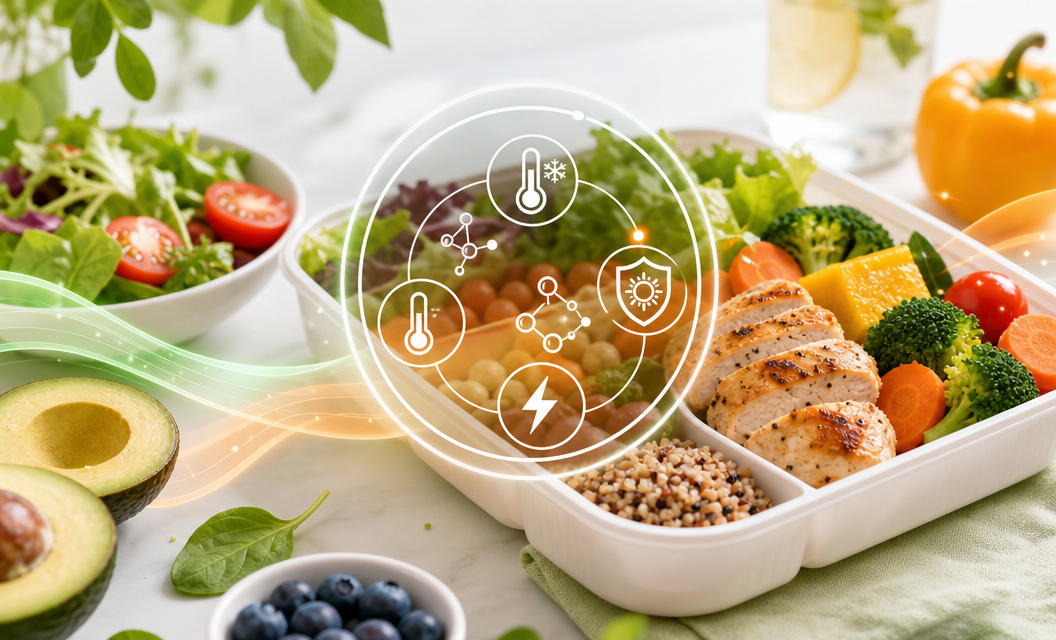
Due to consumers’ busy schedules, High-Pressure Processing (HPP) ready-to-eat (RTE) meals are becoming increasingly popular. This technology offers convenient and practical ready-to-eat meals that, when refrigerated, can extend the shelf life up to three times longer while fully preserving the food’s freshness.
More AboutAdvantages of High Pressure Processing(HPP) Technology
Enhancing Food Safety
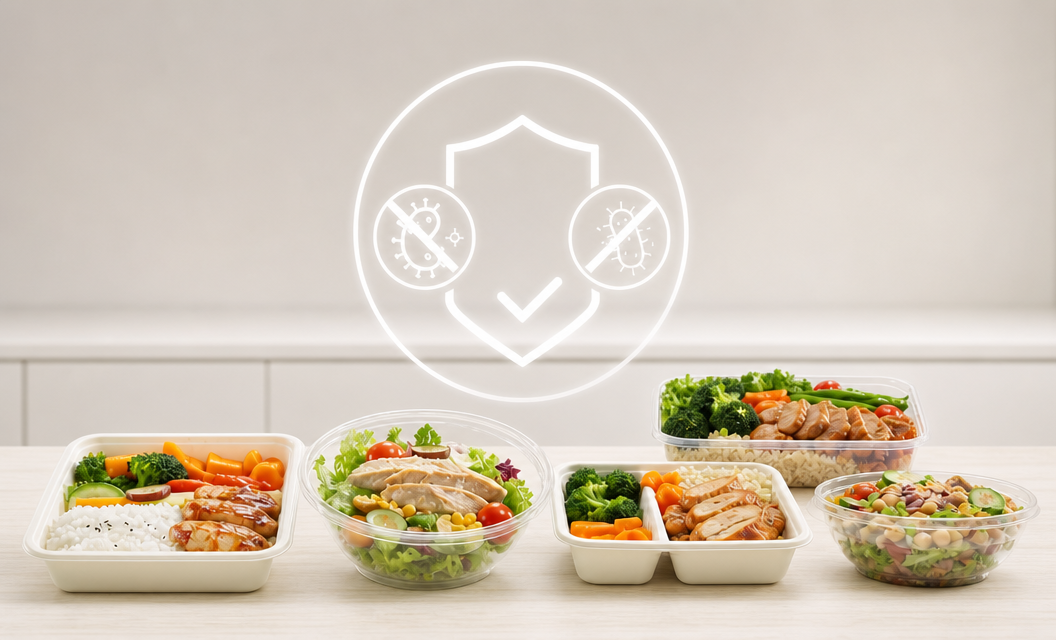
Ready-to-eat foods are typically consumed directly without reheating, so they require extremely strict microbial control. HPP effectively inactivates common pathogenic bacteria such as Listeria, Salmonella, and E. coli, thereby improving food safety without compromising product quality.
Extending Refrigerated Shelf Life
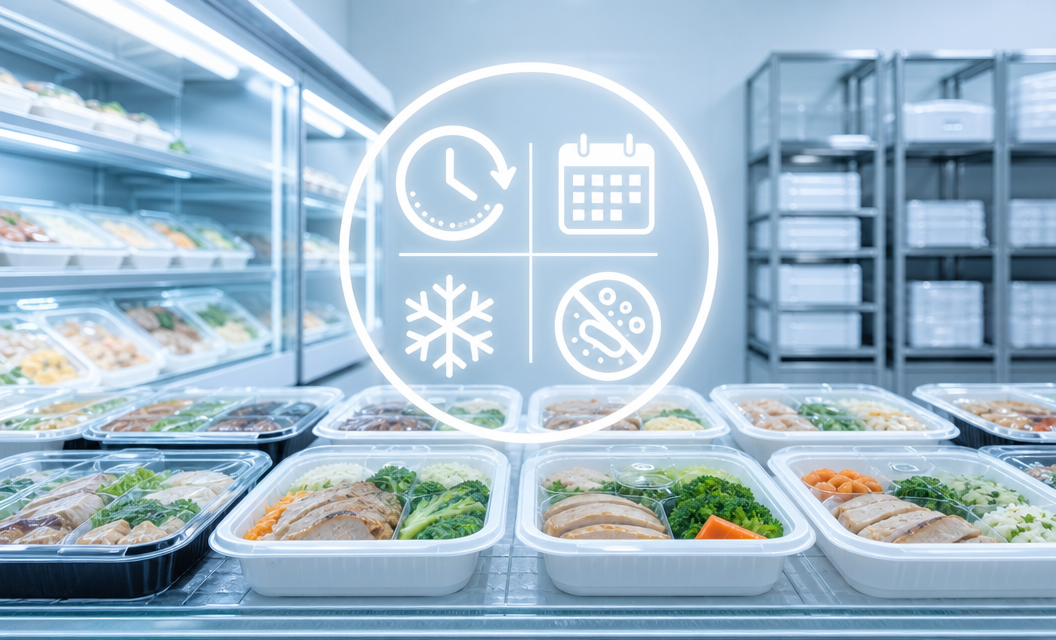
By reducing the microbial count in products, HPP significantly extends shelf life under refrigerated conditions; for some products, this extension can be several times longer. This not only reduces product wastage but also creates opportunities for companies to expand into regional markets and pursue export business.
Preserving Natural Flavor and Texture
Compared to thermal sterilization, HPP does not require high-temperature processing, so it does not cause noticeable cooking effects or flavor loss in ingredients. It effectively preserves the original taste, aroma, and texture, providing consumers with an eating experience closer to that of freshly prepared food.
Retaining Nutritional Value
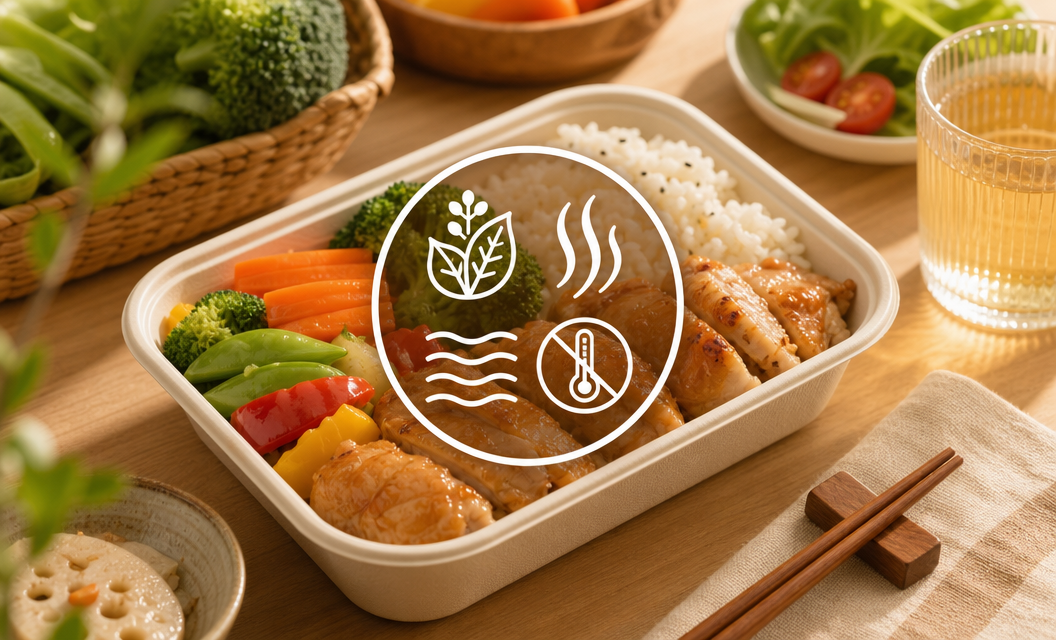
As a cold-processing technology, HPP better preserves heat-sensitive nutrients, helping products maintain higher nutritional value and market appeal.
More HPP Applications
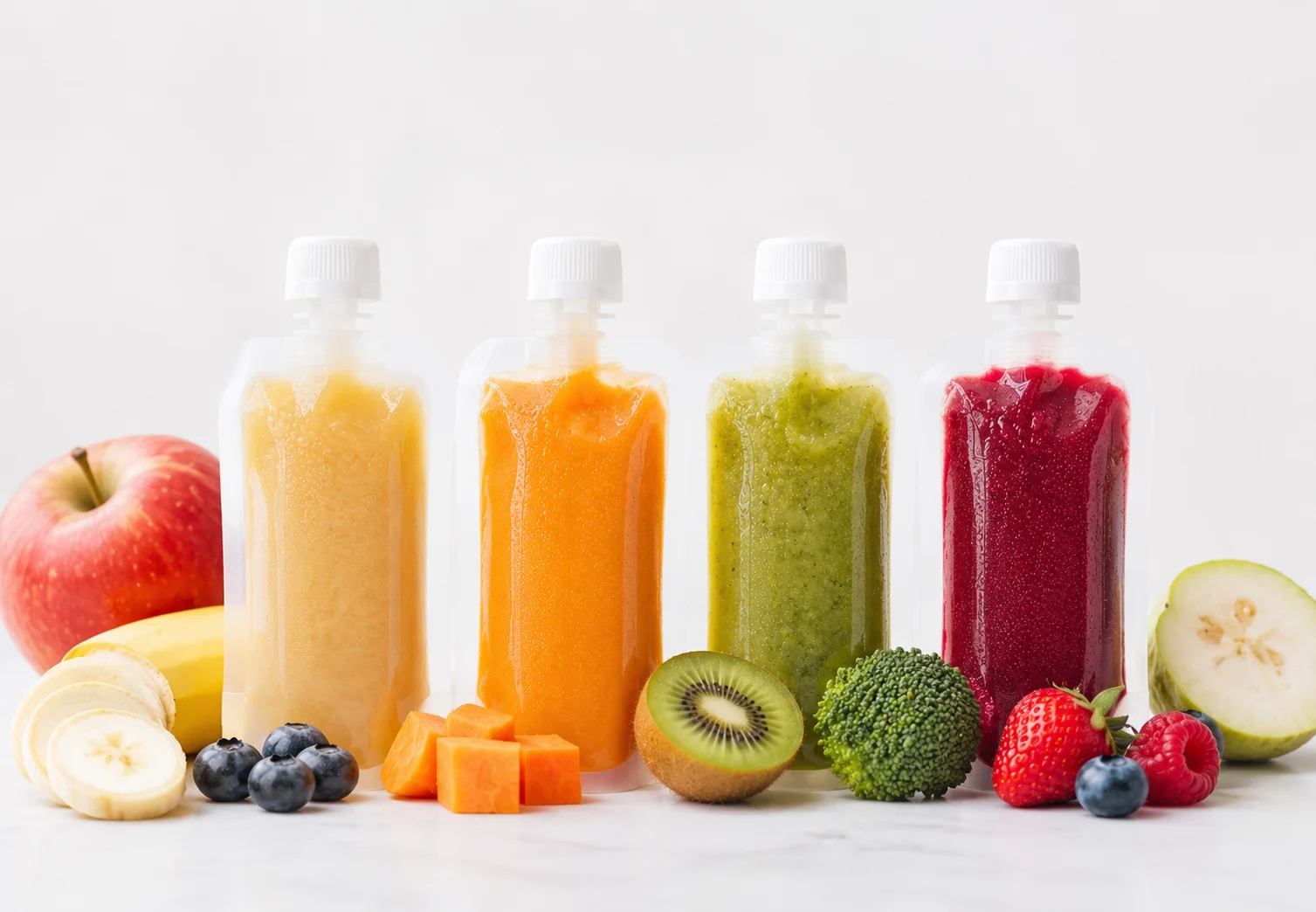
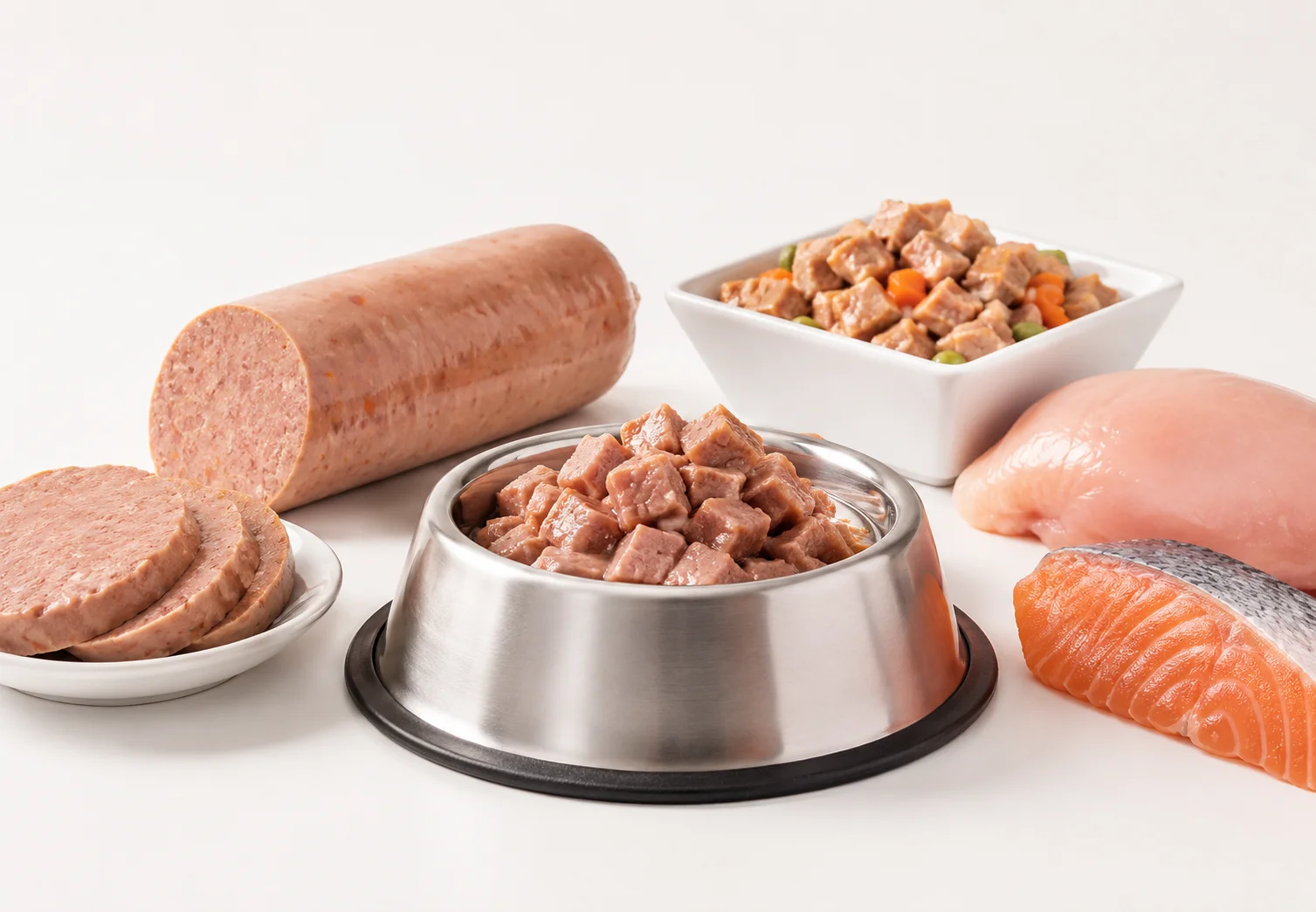
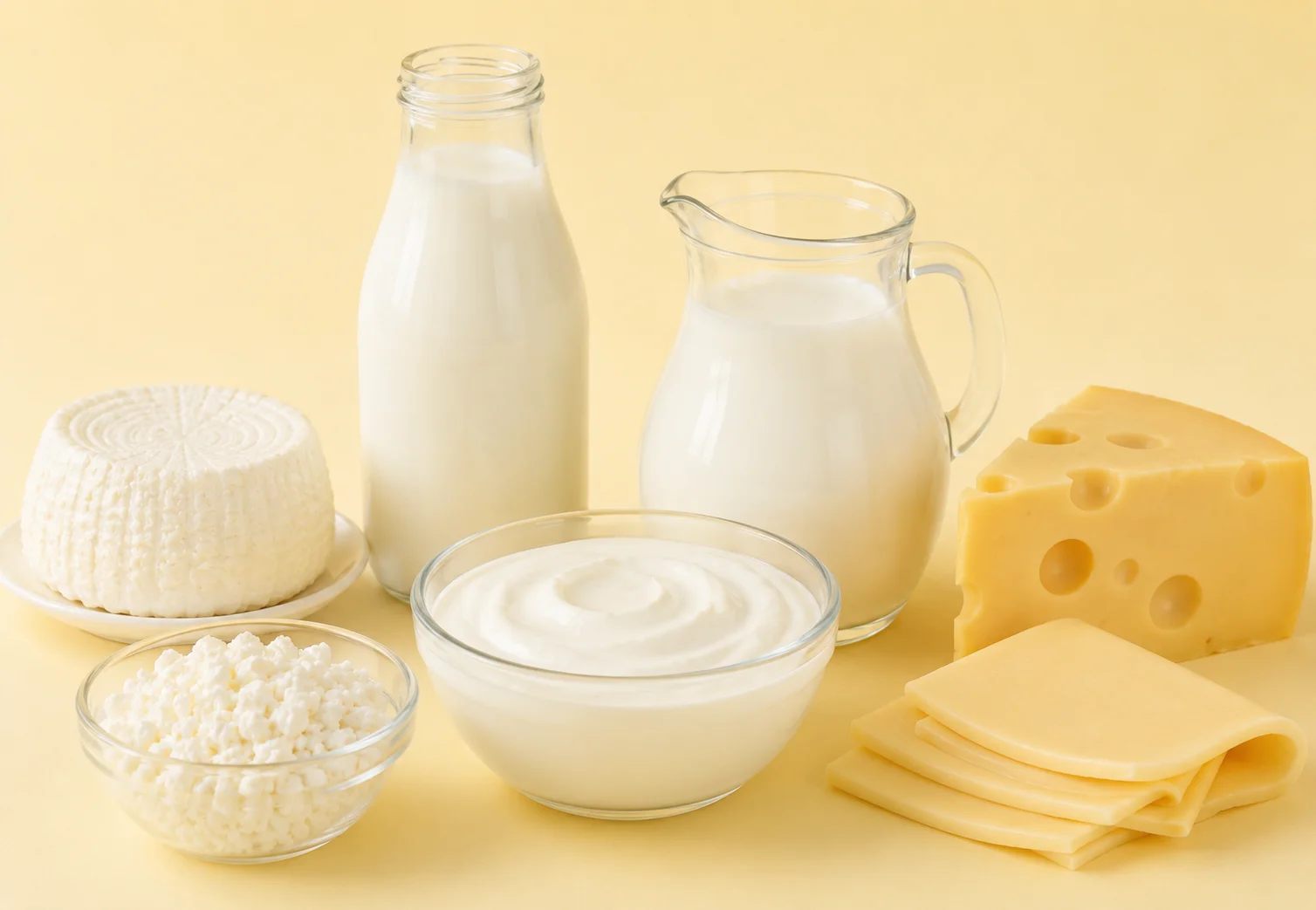
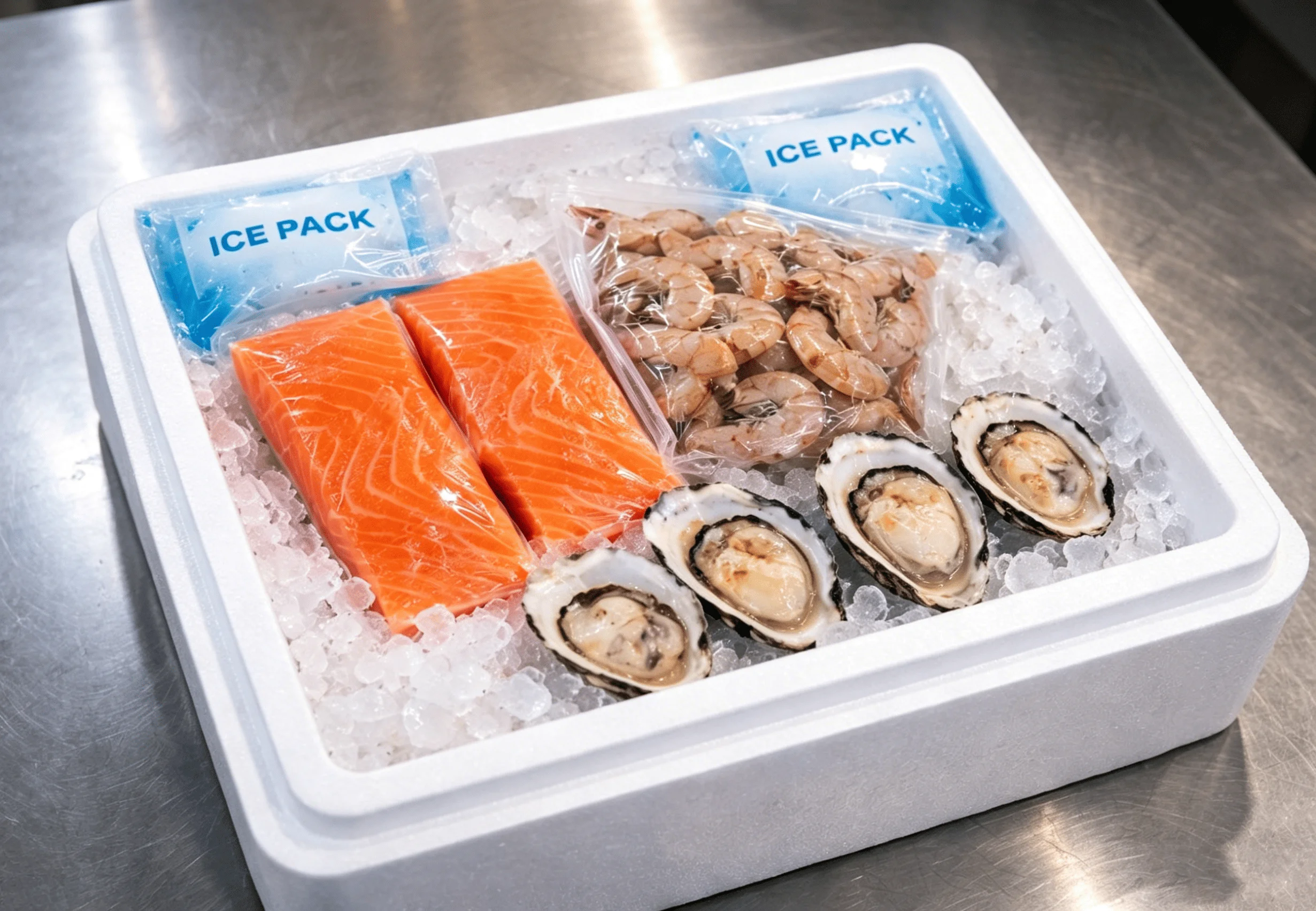
Related Products
FAQ
-
What is HPP technology?
HPP exposes food to high pressure via a water medium for several minutes at low or room temperature, effectively killing bacteria, viruses, yeast, and mold.
-
What are the benefits of HPP technology?
HPP is globally recognized as an antimicrobial process that inactivates pathogens and slows spoilage bacteria, extending refrigerated shelf life 2–10 times. It preserves nutrients and bioactive compounds, maintaining vitamins and natural quality. This technology allows manufacturers to reduce chemical preservatives and lower food safety testing frequency.
-
In which fields can HPP technology be applied?
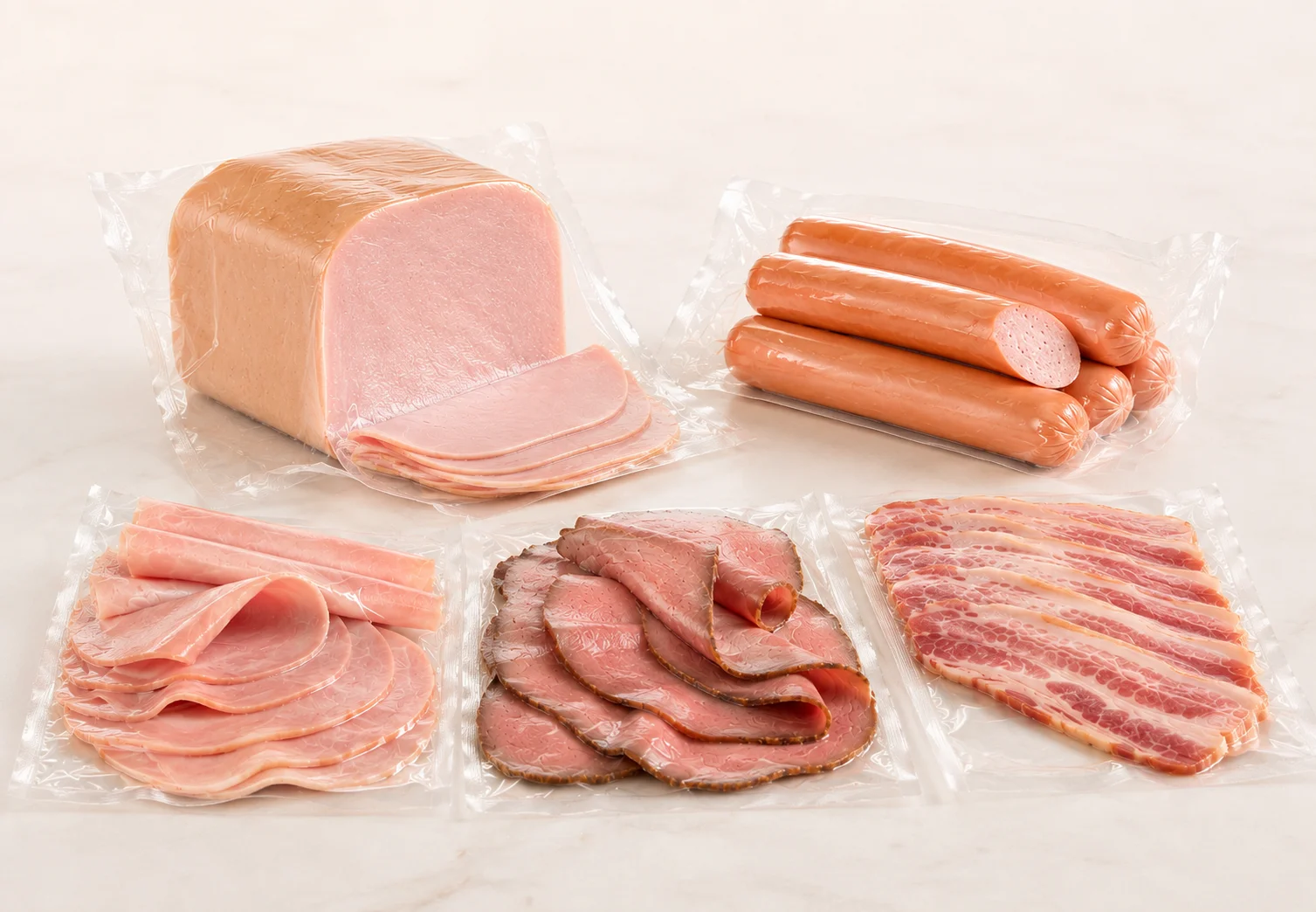
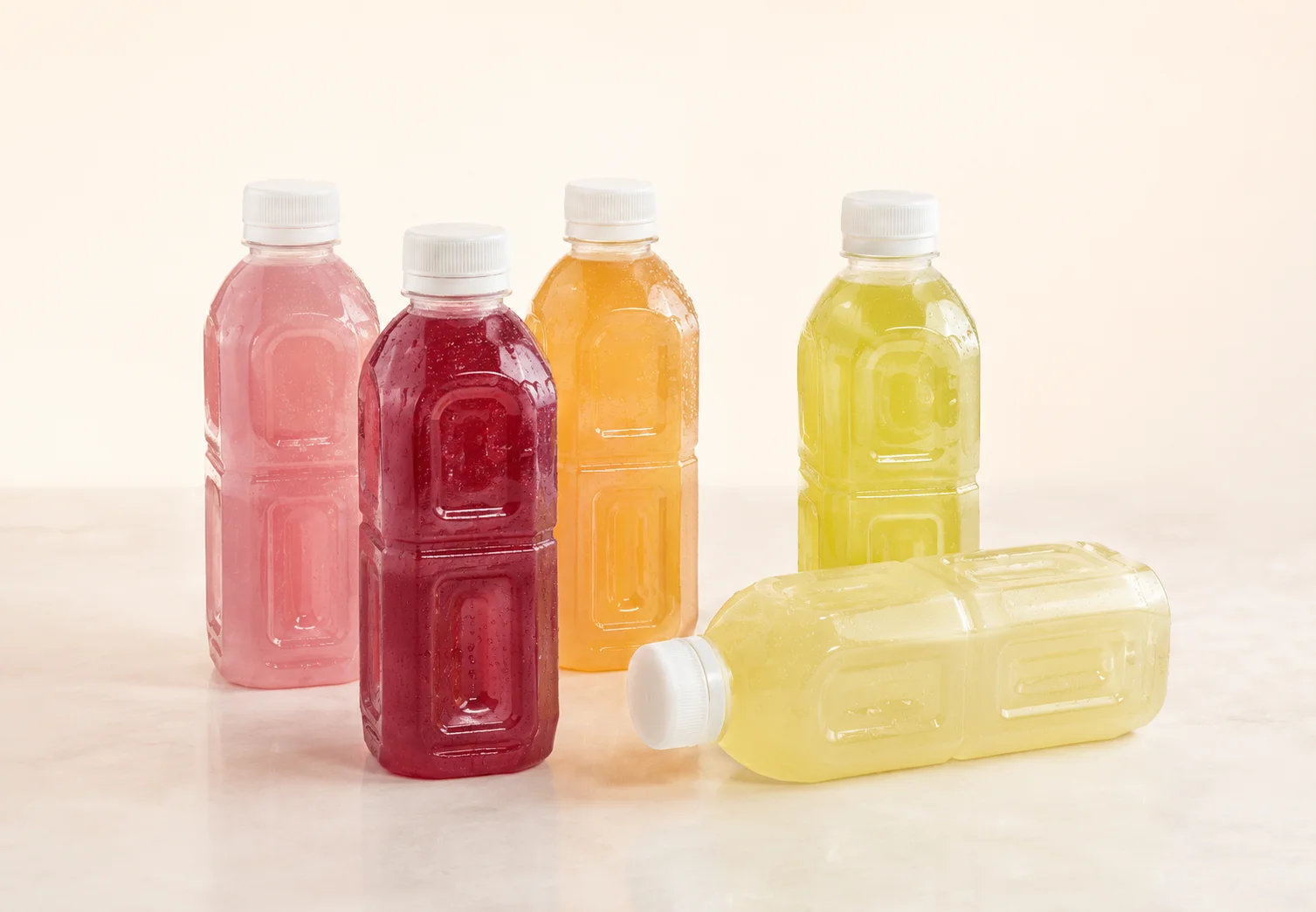
Applicable across multiple food processing scenarios, including juices and beverages, meat products, pet food, seafood, infant formula, dairy, as well as cosmetics and pharmaceuticals.
-
What is the difference between HPP technology and traditional sterilization methods?
Traditional sterilization methods (e.g., thermal processing) may damage nutrients and flavor, while high-pressure sterilization is performed at low temperatures, better preserving product quality, enhancing taste, and retaining natural nutrition that heat treatment cannot achieve.
-
How do we differ from other HPP equipment manufacturers?
We are more than an equipment supplier—we are a strategic partner. We actively support our clients’ R&D processes with full lifecycle services, working alongside them to solve technical challenges and drive product performance and industrialization breakthroughs.
One-on-one Expert Support With Tailored Solutions
From process adaptation and parameter optimization to production line design, we provide one-stop customization services.