
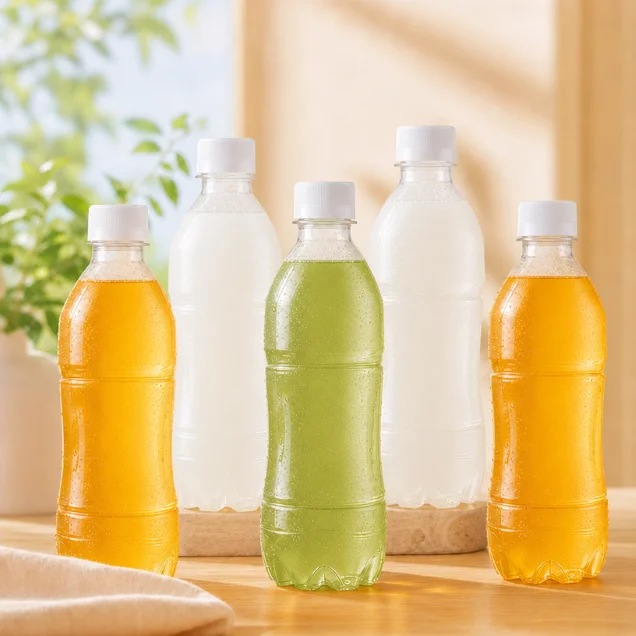
HPP Applications in the Beverage Industry
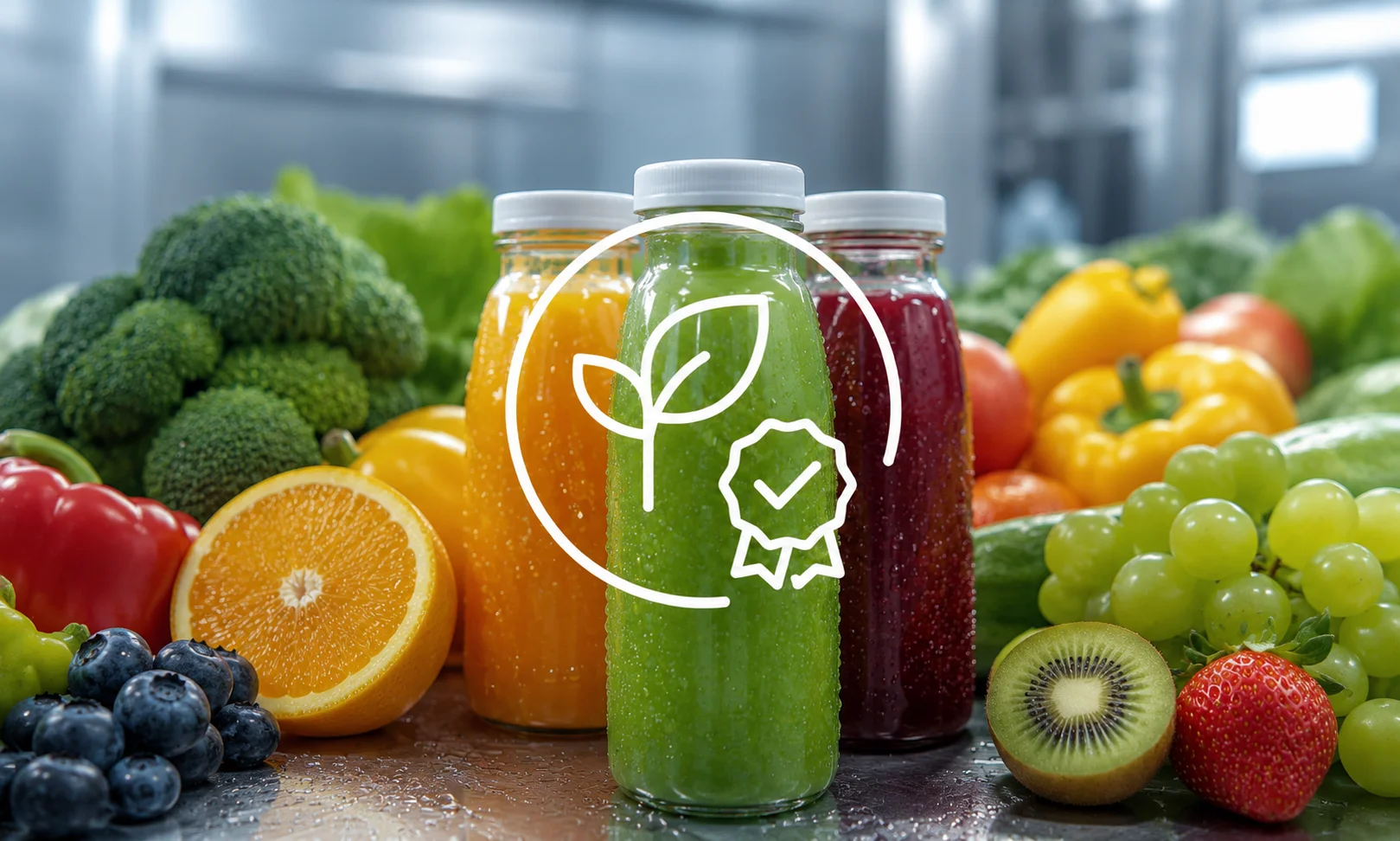
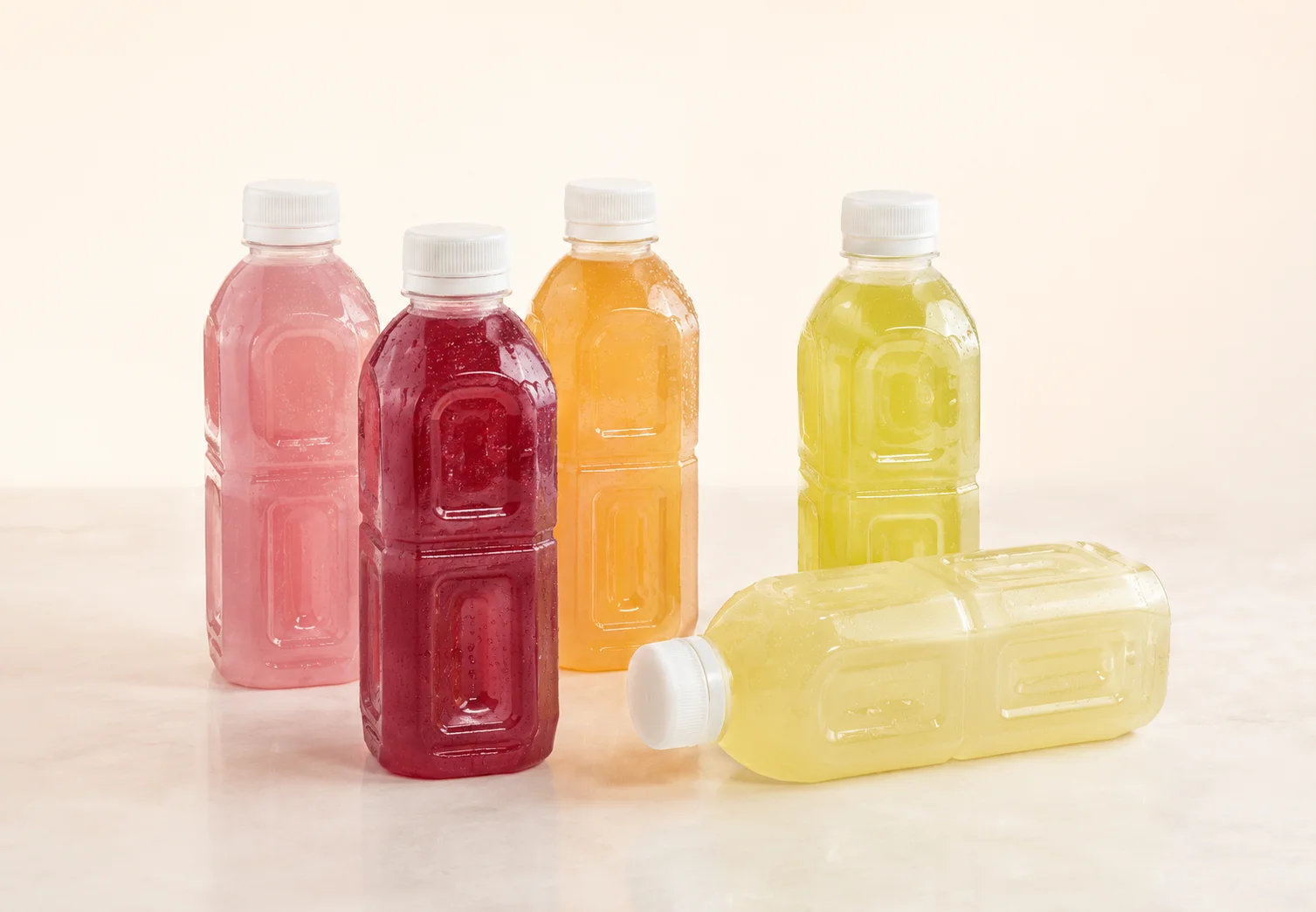
This application has seen significant growth in recent years as beverage innovation continues to expand. High Pressure Processing (HPP) helps preserve the natural flavor, color, and nutritional composition of beverages, delivering the fresh, clean-label products that today’s consumers demand.
More AboutAdvantages of High Pressure Processing(HPP) Technology
Safety and Compliance
This purely physical high-pressure sterilization process meets commercial sterility standards, effectively inactivating yeast, mold, and pathogenic microorganisms without heating. This significantly enhances product safety and complies with international food safety standards.
Nutrient Retention
With processing temperatures below 25°C, vitamin C, antioxidants, and natural aromas are preserved more effectively. At the same time, natural flavors are locked in, ensuring that every sip tastes closer to the beverage’s natural essence.
Extended Shelf Life
While maintaining product quality, the shelf life is extended by 2 to 5 times. This helps reduce food waste, improve inventory management, optimize distribution efficiency, and expand into broader domestic and international markets.
Clean Label
As a cold-processing technology, HPP better preserves heat-sensitive nutrients, helping products maintain higher nutritional value and market appeal.
More HPP Applications
Related Products
FAQ
-
What is HPP technology?
HPP exposes food to high pressure via a water medium for several minutes at low or room temperature, effectively killing bacteria, viruses, yeast, and mold.
-
What are the benefits of HPP technology?
HPP is globally recognized as an antimicrobial process that inactivates pathogens and slows spoilage bacteria, extending refrigerated shelf life 2–10 times. It preserves nutrients and bioactive compounds, maintaining vitamins and natural quality. This technology allows manufacturers to reduce chemical preservatives and lower food safety testing frequency.
-
In which fields can HPP technology be applied?
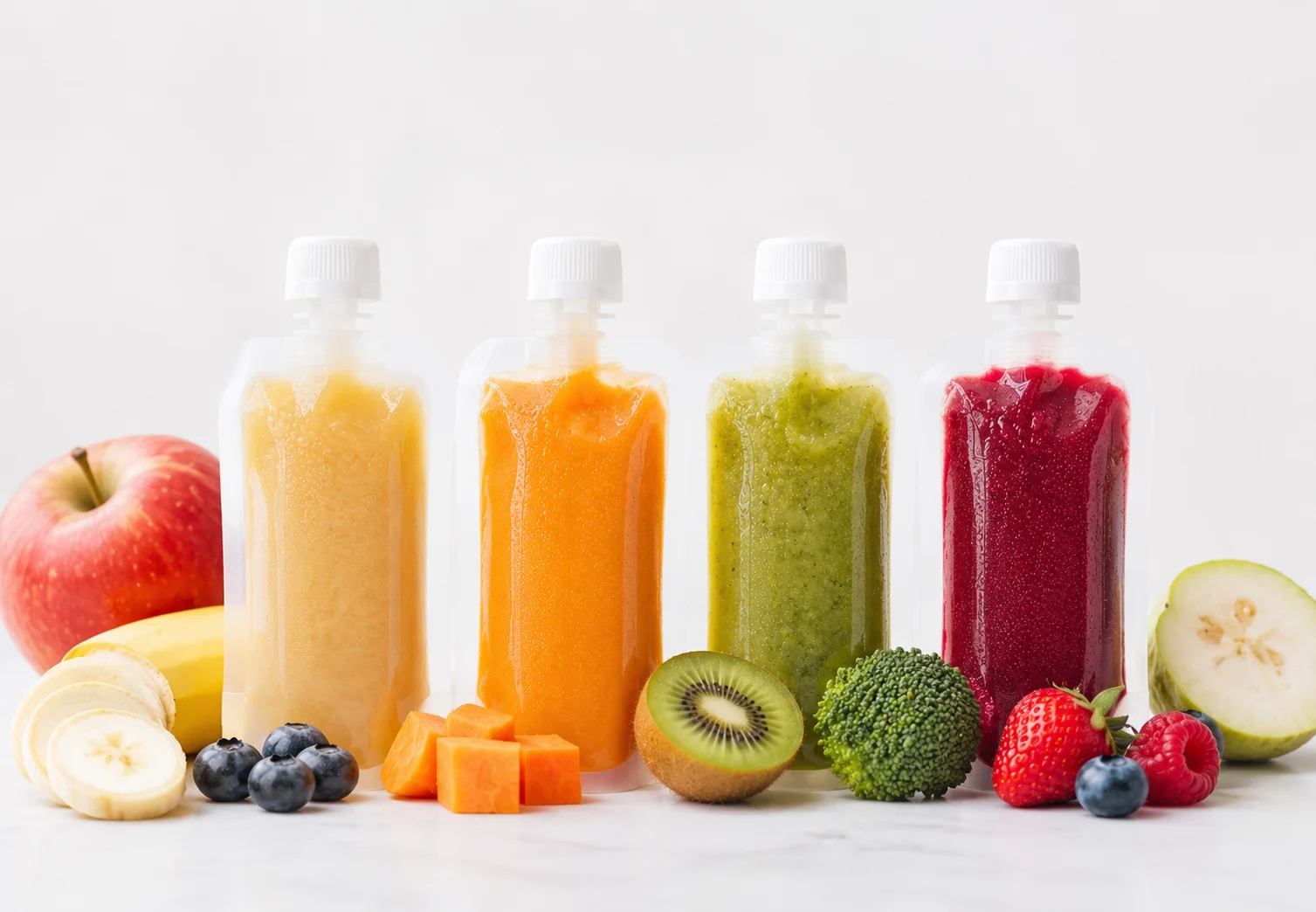
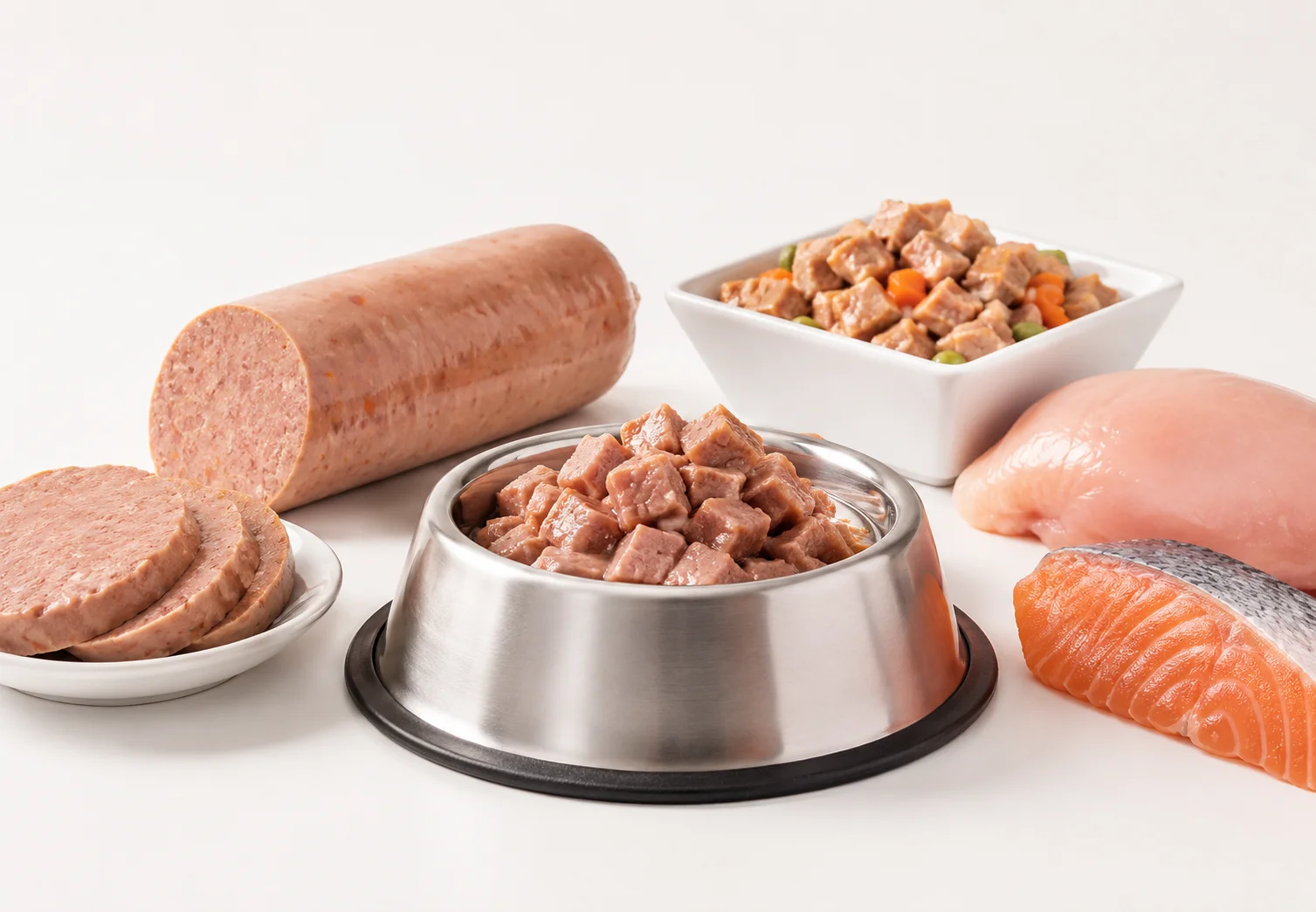
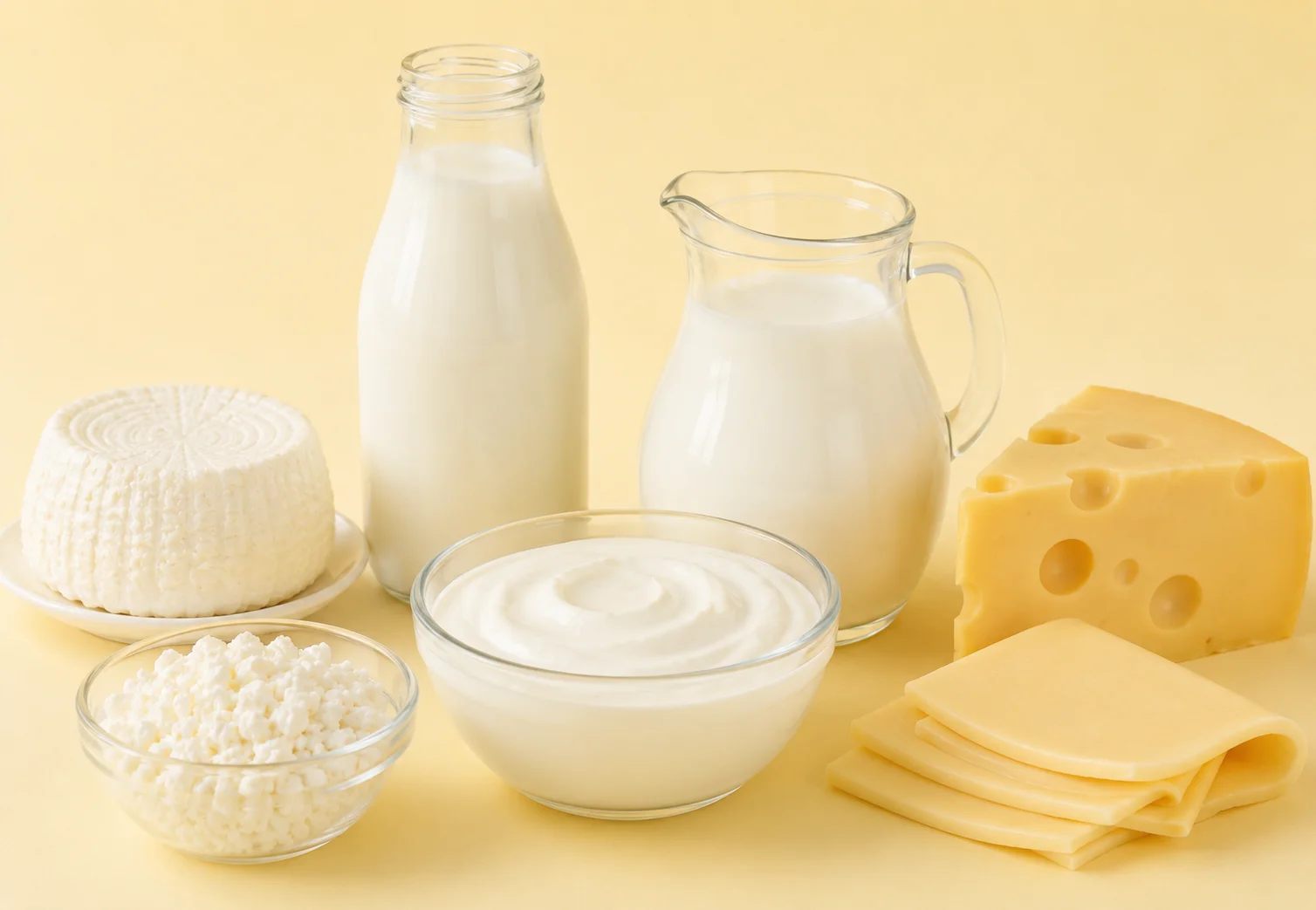
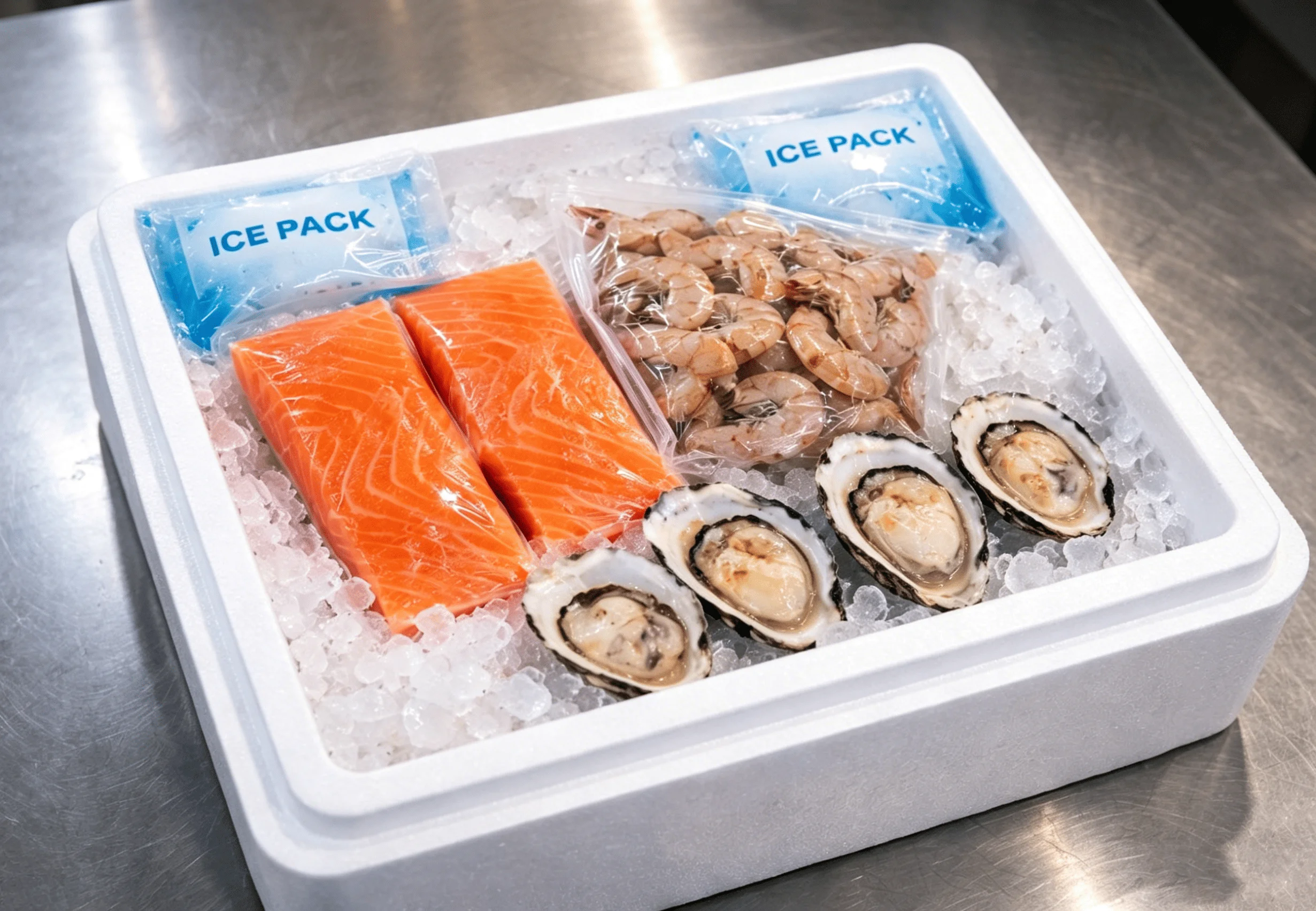
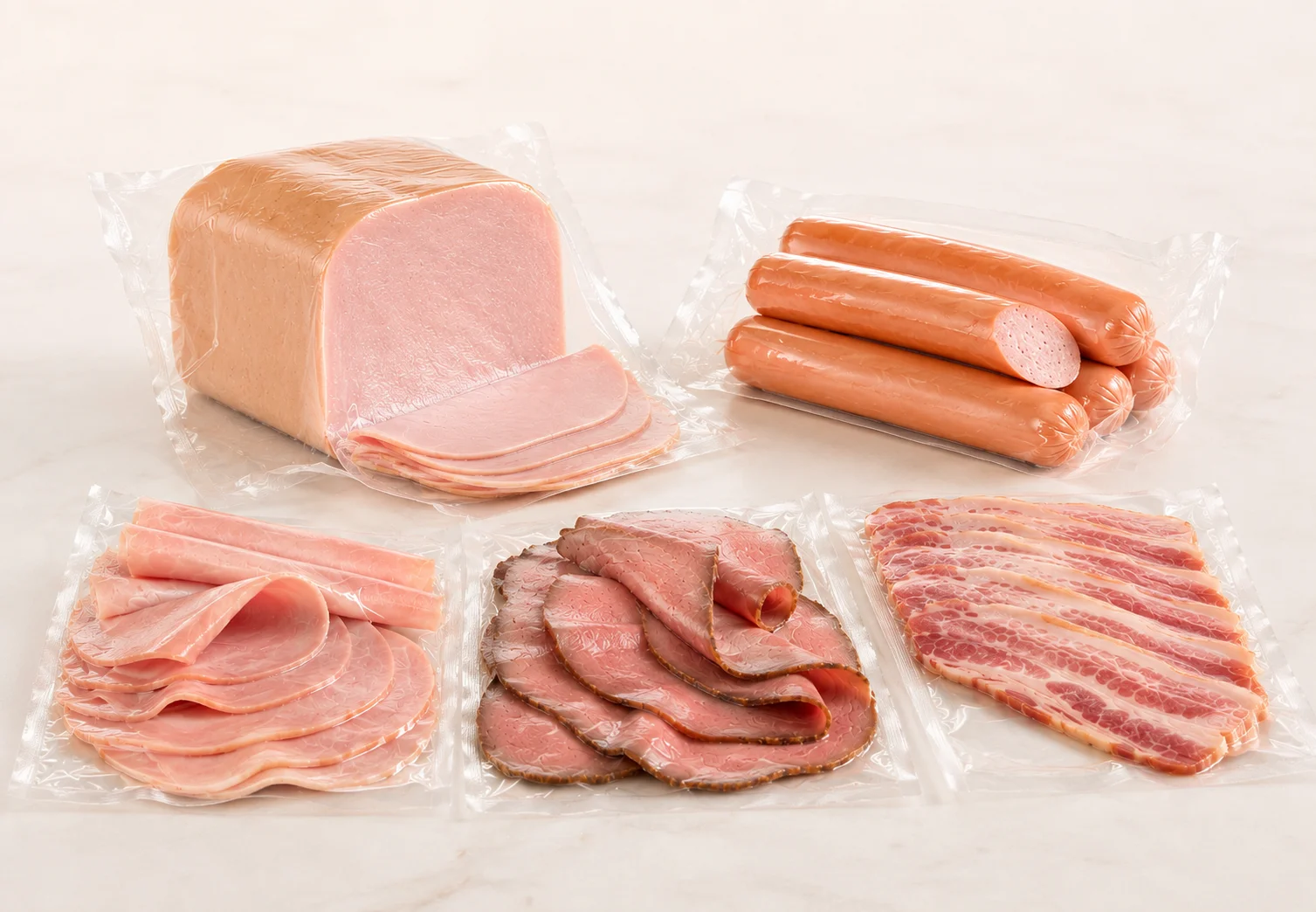
Applicable across multiple food processing scenarios, including juices and beverages, meat products, pet food, seafood, infant formula, dairy, as well as cosmetics and pharmaceuticals.
-
What is the difference between HPP technology and traditional sterilization methods?
Traditional sterilization methods (e.g., thermal processing) may damage nutrients and flavor, while high-pressure sterilization is performed at low temperatures, better preserving product quality, enhancing taste, and retaining natural nutrition that heat treatment cannot achieve.
-
How do we differ from other HPP equipment manufacturers?
We are more than an equipment supplier—we are a strategic partner. We actively support our clients’ R&D processes with full lifecycle services, working alongside them to solve technical challenges and drive product performance and industrialization breakthroughs.
One-on-one Expert Support With Tailored Solutions
From process adaptation and parameter optimization to production line design, we provide one-stop customization services.