
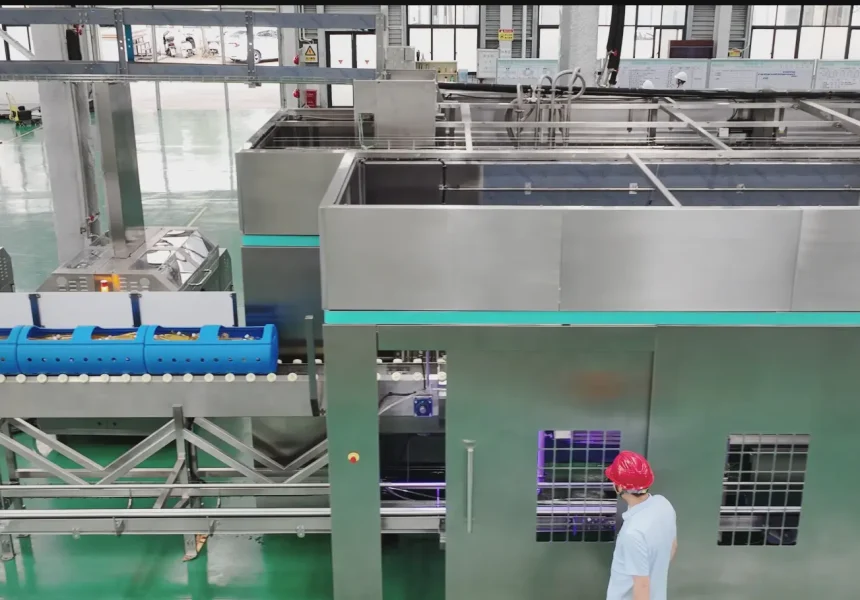
Food safety and shelf-life extension have always been critical challenges for food manufacturers. Traditional thermal processing methods such as pasteurization have been widely used for decades to control microorganisms and improve product safety. However, increasing consumer demand for fresh, natural, and minimally processed foods has driven the development of advanced alternatives.
Among these technologies, HPP sterilization (High Pressure Processing Sterilization) has gained significant attention as an innovative non-thermal processing method. By using extremely high pressure instead of heat, HPP helps preserve product quality while achieving effective microbial inactivation.
Both high pressure processing and pasteurization are designed to improve food safety, but they differ significantly in processing principles, effects on product quality, energy consumption, and application areas.
This article explores the key differences between HPP sterilization and pasteurization and explains why high pressure processing is becoming an important technology for modern food manufacturing.
What Is Pasteurization?
Pasteurization is a traditional food preservation technology that uses controlled heat treatment to reduce harmful microorganisms in food and beverages.
During pasteurization, products are heated to a specific temperature for a defined period before being rapidly cooled. The process effectively reduces pathogens and spoilage microorganisms while maintaining acceptable product quality.
Common pasteurization methods include:
- Low-temperature long-time (LTLT) treatment
- High-temperature short-time (HTST) treatment
- Ultra-high temperature (UHT) processing
Typical applications include:
- Milk and dairy products
- Fruit juices
- Liquid eggs
- Beverages
- Sauces
Pasteurization remains one of the most widely used food safety methods due to its reliability and established industrial processes.
What Is HPP Sterilization?
HPP sterilization is an advanced food preservation technology that uses extremely high hydrostatic pressure to inactivate microorganisms without relying on high temperatures.
During high pressure processing, packaged food products are placed inside a pressure vessel filled with water. The system applies uniform pressure, typically between 300 MPa and 600 MPa, to the product.
The pressure disrupts microbial cell membranes, proteins, and biological structures, effectively reducing bacteria, yeasts, and molds while maintaining the original characteristics of the food.
Unlike thermal processing, HPP is a cold processing technology, meaning it minimizes heat-related damage to sensitive nutrients and flavors.
How Do HPP Sterilization and Pasteurization Work?
Pasteurization: Heat-Based Microbial Control
The basic process includes:
- Heating the product to a target temperature
- Maintaining the temperature for a specific time
- Cooling the product rapidly
Heat destroys microorganisms by damaging:
- Cell membranes
- Proteins
- Enzymes
- Genetic materials
However, heat can also affect product quality by changing flavor, color, and nutritional components.
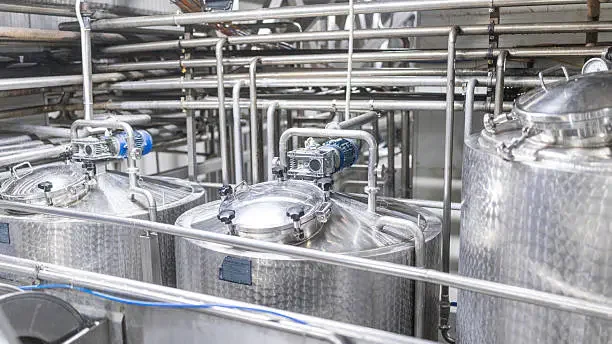
HPP Sterilization: Pressure-Based Microbial Inactivation
The high pressure processing process includes:
- Loading packaged products into the pressure vessel
- Filling the vessel with water
- Applying uniform high pressure
- Holding pressure for several minutes
- Releasing pressure and removing processed products
Because pressure is transmitted evenly throughout the product, HPP can process food without crushing or deforming the package.
Key Differences Between HPP Sterilization and Pasteurization
| Comparison | HPP Sterilization | Pasteurization |
|---|---|---|
| Processing method | High hydrostatic pressure | Heat treatment |
| Temperature impact | Minimal temperature increase | Significant heat exposure |
| Technology type | Non-thermal processing | Thermal processing |
| Typical pressure | 300–600 MPa | Atmospheric pressure |
| Nutrient retention | Excellent preservation of heat-sensitive nutrients | Some nutrient degradation possible |
| Flavor preservation | Maintains fresh taste and aroma | May cause flavor changes |
| Color retention | Better preservation of natural colors | Possible color changes |
| Packaging | Can process sealed packages | Usually requires post-processing packaging |
| Energy consumption | Lower thermal energy requirements | Higher heating and cooling energy demand |
| Product positioning | Premium fresh and natural products | Traditional processed foods |
Advantages of HPP Sterilization
1. Better Preservation of Nutrients
One of the biggest advantages of hpp sterilization is its ability to preserve heat-sensitive compounds, including:
- Vitamins
- Antioxidants
- Bioactive ingredients
- Natural enzymes
Since the process avoids high temperatures, products maintain higher nutritional value.
2. Improved Flavor and Freshness
Heat can alter natural flavors and aromas. HPP allows food manufacturers to maintain:
- Fresh taste
- Natural texture
- Original aroma
- Product appearance
This makes HPP especially suitable for premium fresh-label products.
3. Extended Shelf Life
By effectively reducing spoilage microorganisms, high pressure processing can significantly extend product shelf life.
Depending on product characteristics, HPP-treated foods may achieve:
- Longer refrigerated storage periods
- Reduced food waste
- Improved distribution flexibility
4. Clean Label Product Development
Modern consumers increasingly prefer products with:
- Fewer additives
- Natural ingredients
- Minimal processing
HPP supports clean-label strategies by reducing the need for chemical preservatives while maintaining food safety.
Advantages of Pasteurization
Although HPP technology is rapidly developing, pasteurization still offers several benefits.
1. Proven Safety Performance
Pasteurization has been used globally for decades and has extensive validation data for pathogen reduction.
2. Lower Equipment Investment
Compared with high-pressure systems, traditional pasteurization equipment generally requires lower initial investment.
3. Suitable for Many Liquid Products
Pasteurization remains highly effective for:
- Milk
- Juice
- Liquid beverages
- Dairy products
especially where fresh characteristics are less critical.
Applications: HPP vs. Pasteurization
Applications of HPP Sterilization
HPP has a wide range of applications, with its primary use being in food industries that prioritize high quality and freshness.
Beverages
- Cold-pressed juices
- Smoothies
- Functional drinks
- Plant-based beverages
Ready-to-Eat Foods
- Fresh meals
- Meat products
- Seafood
- Deli foods
Baby Food
HPP helps preserve nutrients while reducing the need for preservatives.
Pet Food
Premium pet food manufacturers use HPP to improve safety and shelf life.
Sauces and Dips
Products such as:
- Guacamole
- Salsa
- Salad dressings
HPP helps improve product freshness and stability.
Beyond the food sector, HPP is also increasingly applied in biopharmaceuticals and personal skincare to enhance product safety, stability, and quality preservation.
Biopharmaceuticals
HPP helps improve product safety while preserving the activity of sensitive biological components, making it suitable for:
- Protein-based products
- Vaccines
- Biological formulations
Skincare & Cosmetics
HPP supports the development of natural and high-performance skincare products by improving:
- Product stability
- Ingredient preservation
- Clean-label formulations
Applications of Pasteurization
Pasteurization remains common in:
- Milk
- Yogurt
- Conventional juices
- Beer
- Liquid egg products
It is particularly suitable for large-scale products where cost efficiency is the primary consideration.
Which Technology Should Food Manufacturers Choose?
The choice between HPP sterilization and pasteurization depends on product goals, market positioning, and processing requirements.
Choose HPP when manufacturers prioritize:
- Fresh taste
- Nutrient preservation
- Premium product positioning
- Clean-label requirements
- Longer refrigerated shelf life
Choose pasteurization when manufacturers prioritize:
- Lower equipment costs
- Established production methods
- High-volume traditional processing
For many modern food companies, HPP is not replacing pasteurization entirely but providing a complementary solution for products where quality preservation is a key competitive advantage.
Future Trends of High Pressure Processing Technology
As consumers continue to demand healthier, fresher, and minimally processed foods, high pressure processing is expected to experience continued growth.
Future developments include:
- Larger-capacity HPP equipment
- Improved energy efficiency
- Automated processing systems
- Expanded applications in beverages, plant-based foods, and functional nutrition products
- Integration with smart manufacturing technologies
With ongoing innovation, hpp sterilization will continue to help food manufacturers achieve the balance between safety, quality, and sustainability.
Core Advantages of HiLock HPP Technology
HiLock HPP technology achieves a perfect combination of efficient sterilization and nutrient retention through ultra-high pressure physical treatment at room temperature (5-25℃) and 300-600MPa.
1. Outstanding Technical Value
- High-Efficiency Sterilization: Inactivation rate of ≥99% for pathogenic bacteria such as E. coli, Salmonella, and Listeria.
- Retains Nutrients and Flavor: Retention rate of heat-sensitive nutrients (e.g., Vitamin C, protein) >90%; no thermal processing off-flavors, preserving original taste.
- Enables Clean Labeling: Pure physical sterilization, requiring no chemical preservatives.
- Extends Shelf Life: Under refrigerated conditions, product shelf life can be extended from 3-7 days to 30-60 days.
2. Excellent Cost and Engineering Efficiency
- Mature Equipment: Hundreds of ultra-high pressure units deployed, validated through large-scale applications.
- Modular Design: Key modules feature high cohesion and low coupling, reducing replacement costs and facilitating future maintenance and upgrades.
- Energy Efficient: Energy consumption is 1/3 to 1/2 lower than traditional thermal sterilization methods.
- Full Range of High Pressure Processing Equipment Models: Offers models from 2L to 525L, suitable for various production capacity needs.
3. Independent R&D and Rigorous Standards
- Core Components Independently Developed: High-pressure chamber made of aerospace-grade 15-5 stainless steel forgings, with a lifespan of up to 200,000 cycles, far exceeding industry standards. Core intensifiers are self-developed and manufactured.
- Precision and Stability: Built to rigorous standards for long-term service in life sciences; maintains stable pressure under high loads, with pressure accuracy of ±5MPa.
- Strong Brand Strength: Holds over 40+ core patents, certified with ISO9001, ISO14001, and ASME-U.
4. Comprehensive Customization and Support
- Free Sample Testing: Offers free process validation experiments and provides customers with sterilization data reports.
- Rich Database: Has established a database of process parameters for over 1,000+ ingredients.
- One-Stop Service: Provides turnkey service from process validation, equipment selection, production line design, to installation, commissioning, and personnel training, ensuring rapid deployment.
Conclusion
Both pasteurization and HPP sterilization play important roles in modern food preservation. Pasteurization remains a reliable and cost-effective technology for many traditional food products, while high pressure processing provides a powerful alternative for manufacturers seeking superior freshness, nutrient retention, and clean-label advantages.
By using pressure instead of heat, HPP sterilization enables food products to maintain their natural characteristics while achieving excellent microbial safety. For companies looking to enhance product quality, extend shelf life, and meet evolving consumer expectations, adopting advanced HPP technology represents a valuable step toward the future of food processing.