
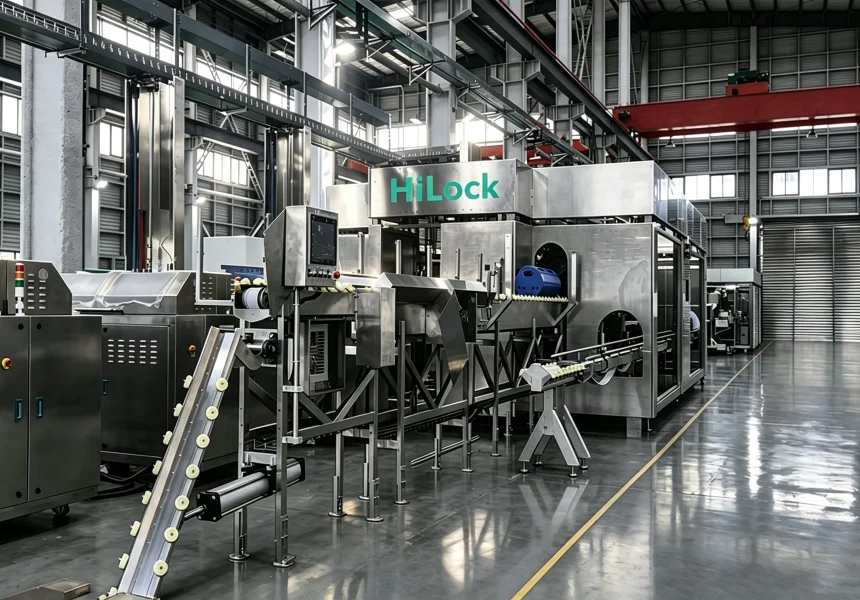
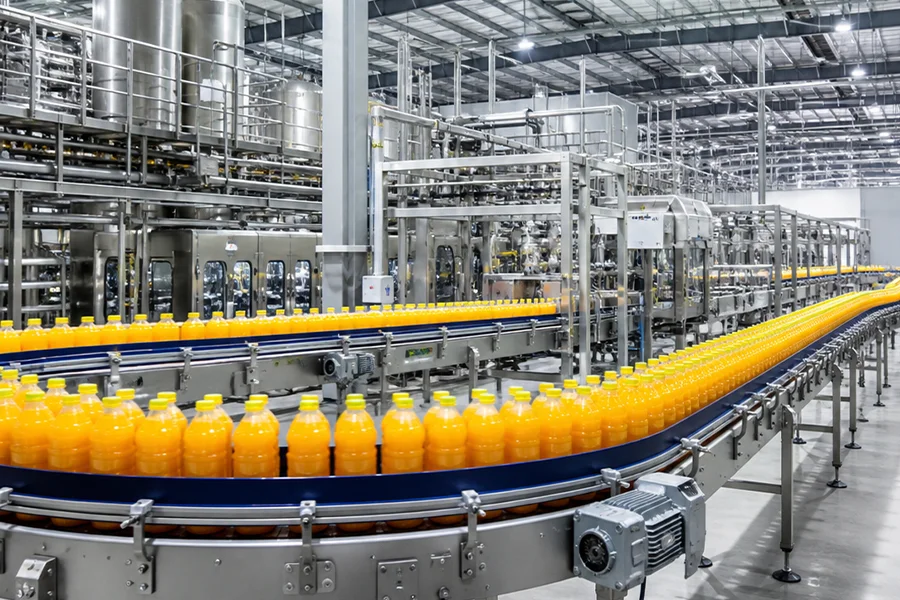
As consumer demand for fresh, minimally processed, and preservative-free products continues to grow, High pressure processing (HPP) has become one of the fastest-growing food preservation technologies worldwide. From premium juices and ready-to-eat meals to seafood, meat products, dairy, cosmetics, and biopharmaceuticals, HPP enables manufacturers to improve food safety while preserving flavor, texture, nutrients, and product quality.
However, investing in high pressure processing equipment is much more than purchasing a machine. It is a long-term strategic investment that directly affects production efficiency, operating costs, product quality, regulatory compliance, and future business expansion.
With numerous HPP equipment manufacturers entering the global market, choosing the right supplier can be challenging. While many companies offer similar pressure ratings, their engineering capabilities, manufacturing quality, customization experience, and after-sales support can differ dramatically.
This guide explains the key factors buyers should evaluate when selecting reliable high pressure processing solutions that deliver lasting value.
Why Choosing the Right Supplier Matters
An HPP system typically serves manufacturers for more than a decade. During that time, production requirements, regulations, packaging materials, and product portfolios often evolve.
Selecting the wrong supplier may lead to:
- Frequent downtime
- High maintenance costs
- Limited production scalability
- Inconsistent product quality
- Slow technical support
- Difficult spare parts procurement
- Reduced return on investment
Conversely, a professional supplier becomes a long-term technology partner rather than simply an equipment vendor.
1. Evaluate the Supplier’s Core Engineering Capabilities
The pressure vessel, intensifier, hydraulic system, sealing components, and control software determine the performance of any HPP system.
A qualified supplier should possess:
- Independent equipment design capability
- Mechanical engineering expertise
- Pressure vessel design experience
- Finite Element Analysis (FEA)
- Hydraulic optimization technology
- Automation and intelligent control development
- Software integration capability
Rather than assembling outsourced components, leading manufacturers design critical technologies in-house, ensuring higher reliability and faster technical support.
2. Look Beyond Equipment Specifications
Many buyers compare only pressure level or chamber size.
Instead, evaluate:
| Basic Specification | Long-Term Performance Indicator |
|---|---|
| Maximum Pressure | Pressure stability |
| Chamber Volume | Actual hourly throughput |
| Cycle Time | Energy efficiency |
| Motor Power | Equipment reliability |
| PLC Brand | Software flexibility |
| Pressure Accuracy | Product consistency |
True production efficiency depends on overall system optimization rather than a single specification.
3. Verify Manufacturing and Quality Control Capabilities
Reliable high pressure processing equipment requires extremely precise manufacturing.
Look for suppliers with:
- Modern machining centers
- Precision welding systems
- Dedicated assembly lines
- Standardized quality management
- Pressure testing systems
- Full factory acceptance testing (FAT)
Companies with integrated manufacturing typically maintain tighter quality control than those relying heavily on subcontractors.
4. Assess Experience Across Multiple Industries
Although HPP originated in food preservation, today’s applications extend much further.
A supplier serving multiple industries can provide broader technical expertise for process optimization.
Common industries include:
- Food processing
- Beverage manufacturing
- Seafood
- Meat processing
- Dairy
- Ready-to-eat meals
- Cosmetics
- Biotechnology
- Pharmaceuticals
Cross-industry experience often translates into more innovative high pressure processing solutions.
5. Evaluate Custom Engineering Capabilities
Every production facility has unique requirements.
Standard equipment may not fully meet:
- Factory layout
- Production capacity
- Automation level
- Packaging dimensions
- Product characteristics
- Utility conditions
- Regulatory requirements
Experienced HPP equipment manufacturers provide customized engineering solutions, including:
- Chamber size customization
- Conveyor integration
- Robotic loading systems
- Automatic basket handling
- SCADA integration
- Remote monitoring
- Customized pressure cycles
Customization significantly improves production efficiency over the equipment’s lifespan.
6. Consider Process Development Support
Purchasing equipment is only one part of successful HPP implementation.
Leading suppliers also assist with:
- Product validation
- Shelf-life testing
- Pressure optimization
- Packaging compatibility
- Microbial reduction verification
- Process development
Dedicated laboratories enable customers to optimize products before commercial production, reducing technical risk.
7. Examine the Supplier’s Global Service Network
Reliable after-sales service is just as important as equipment performance. Even the most advanced high pressure processing equipment requires regular maintenance, technical support, and occasional replacement parts throughout its lifecycle. When evaluating HPP equipment manufacturers, consider whether they offer comprehensive global service capabilities, including installation and commissioning, operator training, remote diagnostics, preventive maintenance, rapid spare parts supply, and responsive field engineering support. A supplier with an established international service network and experienced technical team can minimize downtime, ensure continuous production, and provide long-term peace of mind, making them a more valuable partner for your high pressure processing solutions.
8. Review Certifications and Compliance
International certifications demonstrate manufacturing quality and regulatory compliance.
Common certifications include:
- ISO 9001
- ASME pressure vessel standards
- CE certification
- Electrical safety compliance
- Material traceability
Compliance is especially important for multinational food manufacturers.
9. Check Customer References and Industry Reputation
Experienced suppliers should be able to demonstrate successful installations.
Look for:
- Fortune 500 customers
- University research institutions
- Food manufacturers
- Beverage producers
- Pharmaceutical companies
Real-world case studies often provide stronger evidence than marketing materials alone.
10. Think Beyond Today’s Production Needs
Production demand often increases within several years.
Choose equipment that can support:
- Capacity expansion
- Additional product categories
- Automation upgrades
- Digital factory integration
- Future process optimization
Scalable systems reduce future investment costs.
Why Integrated High Pressure Processing Solutions Deliver Greater Value
Investing in high pressure processing equipment is about more than purchasing a machine—it is about building a reliable and efficient production system. The most successful projects are supported by integrated high pressure processing solutions that cover every stage of implementation, from application consulting and process development to equipment customization, production line integration, installation, commissioning, and lifecycle maintenance. By partnering with experienced HPP equipment manufacturers that provide comprehensive technical expertise and long-term support, businesses can reduce project risks, accelerate production readiness, optimize operational efficiency, and maximize the return on their investment for years to come.
Why Partner with an Experienced HPP Equipment Manufacturer
An experienced supplier combines advanced engineering, precision manufacturing, and application expertise to deliver reliable high pressure processing solutions tailored to each customer’s production goals.
With multidisciplinary R&D teams, modern manufacturing facilities, standardized quality control systems, dedicated ultra-high-pressure laboratories, and comprehensive testing capabilities, leading manufacturers can support projects from concept development through full-scale production.
Serving Fortune 500 companies, research institutions, and manufacturers across more than 20 countries demonstrates not only technical capability but also the ability to meet the demanding requirements of global industries. Beyond delivering high-performance high pressure processing equipment, the right partner provides process development, equipment customization, installation, commissioning, operator training, and full lifecycle maintenance—ensuring long-term operational success.
HiLock – Your Trusted HPP Equipment Manufacturer
Core Technology Advantages: Efficient, Precise, Low-Maintenance
- Stable, Low-Maintenance Operation: Uses internationally renowned rails and sensors, paired with imported high-strength steel structural components. The system can run continuously for over 300 hours without maintenance, leading the industry.
- Precise Pressure Control: Equipped with Siemens PLC and touchscreen, enabling precise control over the pressure build-up, holding, and re-pressurization processes, effectively avoiding production deviations.
- Direct High-Pressure Measurement, Accurate Data: The ultra-high pressure transmitter directly measures the pressure inside the high-pressure chamber, ensuring accurate and reliable experimental data.
- High Efficiency, Cost Reduction: Utilizes the latest high-pressure intensifier, achieving 10% higher efficiency than competitors; paired with American dynamic sealing components, it reduces cylinder wear and lowers operating costs by 25%.
Sterilization & Freshness Preservation: Retains Both Nutrition and Flavor
- High-Efficiency Sterilization: Treated at room temperature (5-25°C) under 300-600MPa ultra-high pressure, achieving a ≥99% inactivation rate for pathogenic bacteria such as E. coli, Salmonella, and Listeria.
- Nutrition Retention: Retention rate of heat-sensitive nutrients (Vitamin C, proteins) is >90%, with no thermal processing off-flavors, preserving the original taste.
- Clean Label: Pure physical sterilization, requiring no chemical preservatives, achieving a natural and pure product attribute.
- Extended Shelf Life: Under refrigerated conditions, product shelf life can be extended from 3-7 days to 30-60 days, reducing distribution losses by approximately 28%.
Full-Scenario Product Line: From Lab to Ultra-Large-Scale Production
HiLock offers a full series of models from 2L to 525L to meet various production capacity needs:
| Model | Daily Processing Capacity | Application Scenario |
| HiLock-2L | 10L | Food lab R&D, 0-600MPa fully adjustable, 220V plug-and-play |
| HiLock-55L | 2,500L | Small factory mass production, single intensifier + 56kW, high cost-performance |
| HiLock-135L | 5,900L | Large-scale production, dual intensifier + 107kW, manual/auto dual control |
| HiLock-300L | 13,000L | Enterprise-grade equipment, six intensifiers working in synergy |
| HiLock-525L | 25,000L | Flagship model, 12 intensifiers + 550kW, designed for ultra-large production bases |
Equipment Durability & Reliability: Certified Quality, Built to Last
- High-Pressure Chamber: Made of aviation-grade 15-5 stainless steel forging, with a lifespan of 200,000 cycles, far exceeding industry standards.
- Brand Strength: Backed by the parent company’s over 20 years of precision manufacturing experience, holding more than 40 core patents, with a cumulative delivery of over 700 sets of equipment, widely recognized for product stability.
- International Certifications: Certified with ISO9001, ISO14001, ASME-U, etc., with products exported worldwide.
One-Stop Service Support: Lowering the Barrier for Customer Adoption
- Free Sample Testing: Customers send samples, and the HiLock lab completes process feasibility verification and pressure curve matching.
- 1,000+ Ingredient Process Database: Accurately matches processing solutions (pressure, dwell time, temperature, packaging adaptation, etc.) for different products.
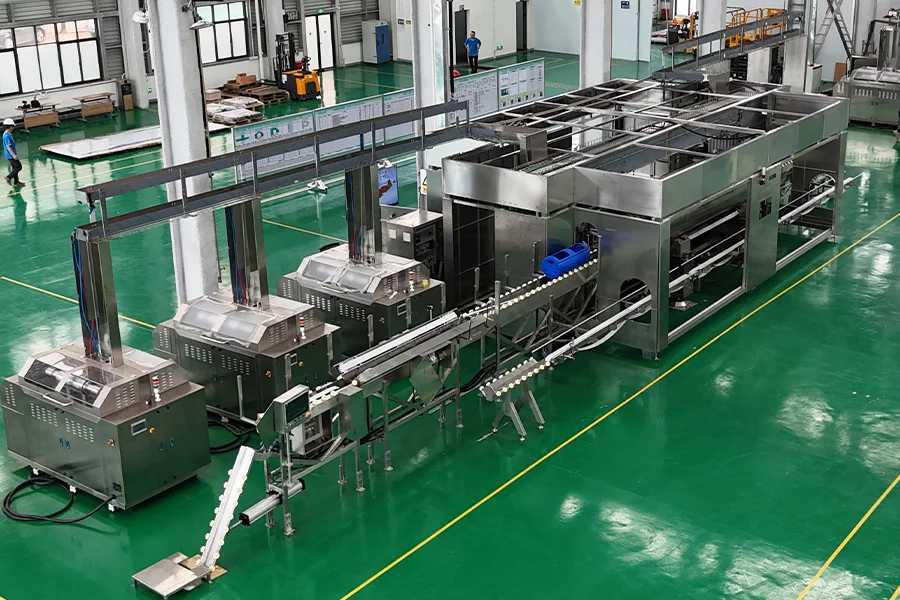
- Customized Production Line Design: Personalized design based on product characteristics, capacity targets, and workshop layout, providing a turnkey service from process validation → equipment selection → production line design → installation & commissioning → personnel training, ensuring plug-and-play readiness.
Conclusion
Selecting the right supplier is one of the most important decisions in any HPP investment. While equipment specifications are essential, long-term success depends on much more than pressure ratings and chamber size.
The best HPP equipment manufacturers combine engineering expertise, precision manufacturing, customized solutions, process development, and responsive technical support to help customers achieve sustainable growth.
By evaluating suppliers from both a technical and strategic perspective, businesses can invest confidently in high pressure processing equipment that delivers reliable performance, lower operating costs, and greater long-term value.