
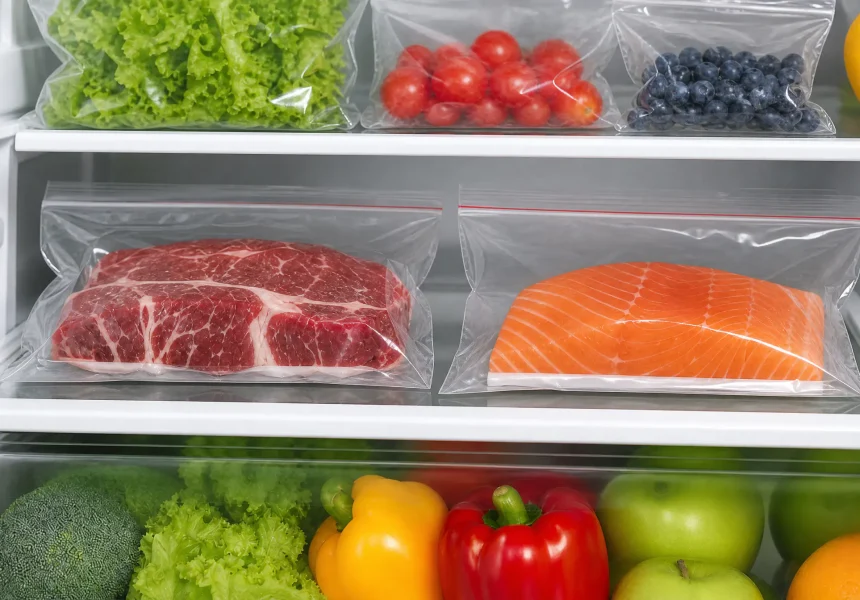
Food safety is the foundation for safeguarding consumer health, maintaining corporate reputation, and promoting the sustainable development of the food industry. As consumer demands for food quality, freshness, and nutritional value continue to rise, food manufacturers must not only meet strict safety standards but also adopt advanced technologies to reduce microbial risks, extend product shelf life, and preserve the food’s original flavor and nutritional value to the greatest extent possible. Establishing a comprehensive food safety management system not only enhances consumer trust but also helps companies improve their market competitiveness and achieve long-term, stable development. Traditional heat treatment methods, while killing microorganisms, may also affect a food’s flavor, color, and nutritional content. High-Pressure Processing (HPP) technology applies hydrostatic pressure of hundreds of megapascals to effectively reduce the risk of harmful microorganisms and enhance food safety—all without the need for high temperatures or added preservatives. At the same time, this technology better preserves the food’s original nutritional content, natural flavor, and fresh texture, providing safer, healthier, and more sustainable processing solutions for high-quality foods such as fruit juices, meat products, ready-to-eat foods, and dairy products. As consumer demand for natural, nutritious, and high-quality foods grows, High-Pressure Processing (HPP) technology is emerging as a key innovation driving advancements in food safety.
For fresh fruit and vegetable juices, smoothies, guacamole, salsa, ready-to-eat foods, seafood, and deli meats, maintaining both food safety and fresh quality has long been a challenge. Conventional preservation methods often rely on heat treatment or chemical preservatives to extend shelf life, which can alter taste, color, texture, and nutritional value. High pressure processing (HPP) technology provides a non-thermal preservation solution by using extremely high pressure to eliminate harmful microorganisms without additives. The result is safer, fresher foods with a longer shelf life while preserving their natural flavor, vibrant appearance, and valuable nutrients.
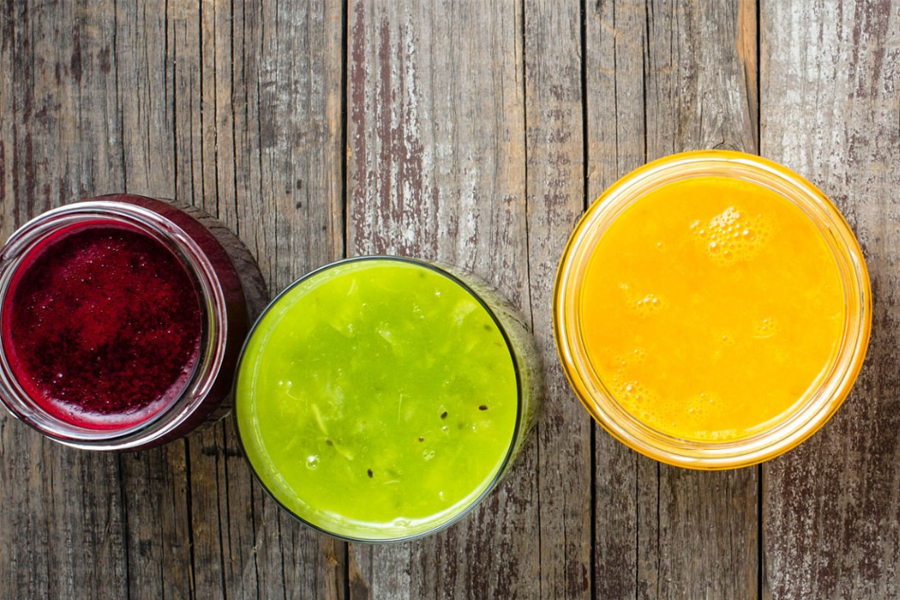
Limitations of Traditional Sterilization Methods
Traditional preservation methods, particularly thermal pasteurization, can effectively reduce microorganisms in foods such as fresh fruit and vegetable juices, smoothies, dairy products, sauces, ready-to-eat meals, seafood, and deli meats. However, these methods come with significant drawbacks. High temperatures destroy heat-sensitive nutrients, including vitamin C, B vitamins, and natural antioxidants, reducing the overall nutritional value of the food. Heat processing can also alter the original flavor, texture, and appearance—fresh juices may develop a “cooked” taste, vibrant colors become dull, seafood loses its delicate texture, and ready-to-eat meals may suffer from reduced freshness. To achieve a longer shelf life, manufacturers often rely on chemical preservatives or other additives, which conflicts with today’s growing consumer demand for clean-label, minimally processed, and naturally preserved foods.
Advantages of High Pressure Sterilization Technology
High Pressure Processing (HPP) has revolutionized the way fresh foods are preserved. Instead of using heat, HPP subjects packaged products—including freshly squeezed fruit and vegetable juices, smoothies, guacamole, salsa, dairy products, ready-to-eat meals, seafood, deli meats, and pet food—to hydrostatic pressures typically ranging from 300–600 MPa at chilled or ambient temperatures. This intense pressure effectively inactivates harmful microorganisms by disrupting their cellular structures and metabolic functions while preserving the integrity of the food itself.
Because HPP is a non-thermal preservation technology, it minimizes the loss of heat-sensitive nutrients such as vitamin C, B vitamins, natural antioxidants, and bioactive compounds. Research has shown that HPP-treated foods retain significantly more vitamins, minerals, color, flavor, and nutritional value than products processed using conventional thermal pasteurization.
Beyond food safety, HPP helps preserve the fresh taste, vibrant appearance, and natural texture that consumers expect from premium foods. Fresh juices maintain their just-squeezed flavor, guacamole stays bright green, seafood retains its delicate texture, and ready-to-eat meals preserve their original quality without developing a cooked taste. Since HPP achieves microbial inactivation without high temperatures or chemical preservatives, manufacturers can produce clean-label products with an extended refrigerated shelf life while meeting growing consumer demand for natural, minimally processed foods.
As consumer preferences continue to shift toward healthier, fresher, and preservative-free products, High Pressure Processing is becoming the preferred preservation technology for the global food and beverage industry. By combining superior food safety, extended shelf life, and exceptional product quality, HPP is redefining the future of premium food preservation.
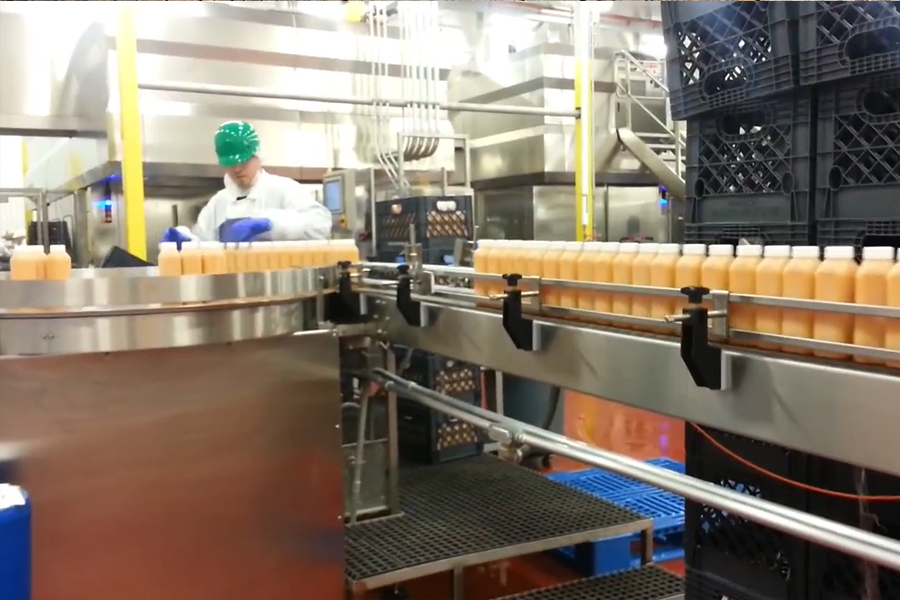
HiLock High Pressure Processing(HPP) Technology
HiLock high pressure processing equipment utilizes low-temperature physical sterilization technology with water as the medium. HiLock’s proprietary pressure intensifier consistently applies high pressure of 400–600 MPa to beverages and food. This process achieves highly efficient sterilization by physically disrupting bacterial cell membranes through pressure, without any heating or the addition of preservatives throughout the entire process. Its core principle is to break the non-covalent bonds in microbial cell membranes and enzymes without affecting the covalent bonds of nutrients and flavor compounds. This ensures thorough sterilization while maximizing the retention of the original nutrients and fresh, vibrant flavors of beverages and foods.
HiLock’s high pressure processing equipment offers significant advantages: First, it retains over 95% of nutrients, fully locking in nutritional content—far exceeding the retention rate of less than 70% achieved by traditional high-temperature sterilization; second, it preserves the original flavor and color, eliminating the “boiled” taste and ensuring a pure mouthfeel and vibrant color; third, it provides thorough sterilization, extending the shelf life of refrigerated foods to 2–3 months and reducing losses during storage and transportation; fourth, it enables “clean label” production without added preservatives, meeting the demands of health-conscious consumers; fifth, the high pressure processing equipment operates stably, leveraging HiLock’s mature high-pressure technology accumulated over 20 years, combined with an advanced intelligent pressure control system, making it suitable for industrial-scale mass production and ensuring consistent batch quality. Coupled with localized, rapid-response maintenance and operations, it significantly improves production efficiency.
Currently, the global HPP food market is growing at an annual rate of 14.5%. HiLock’s high pressure processing equipment empowers the food industry to upgrade, helping companies overcome quality challenges, align with healthy consumption trends, and drive their products into broader markets.