
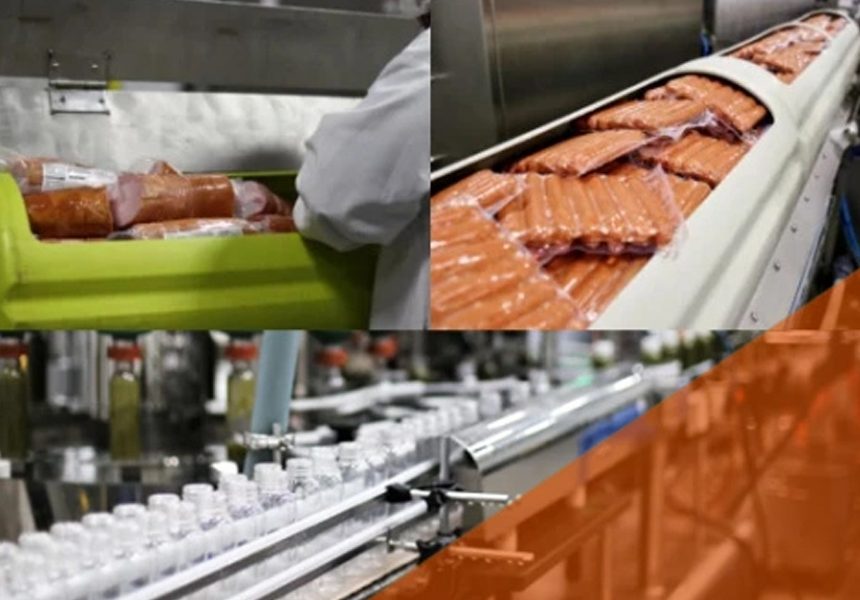
As consumer demand for fresh, minimally processed, and clean-label foods continues to grow, High Pressure Processing (HPP) has become an increasingly popular preservation technology across the global food industry. From cold-pressed juices and ready-to-eat meals to seafood, dairy products, baby food, and pet food, HPP enables manufacturers to deliver safe, high-quality products with extended refrigerated shelf life while preserving their natural taste and nutritional value.
While much attention is often given to the HPP equipment and processing parameters, packaging is an equally critical factor in achieving successful results. The right packaging must withstand extreme pressures, maintain seal integrity, and protect product quality throughout the entire processing cycle.
In this guide, we’ll explore the essential requirements for HPP packaging, compare commonly used packaging materials, discuss application-specific solutions, and share best practices to help manufacturers optimize product safety, shelf life, and overall production efficiency.
Why Packaging Matters in High Pressure Processing
High Pressure Processing (HPP) has become one of the most effective non-thermal food preservation technologies available today. By applying extremely high hydrostatic pressure, HPP eliminates harmful microorganisms while maintaining the product’s natural flavor, color, texture, and nutritional value.
However, the success of an HPP application depends not only on the processing equipment itself but also on selecting the right packaging. Packaging must withstand pressures of up to 600 MPa (87,000 psi) without compromising product integrity or safety.
This guide explains the key packaging requirements, compatible materials, common challenges, and best practices for achieving optimal HPP results.
Understanding the HPP Packaging Environment
During HPP treatment, packaged products are submerged in water and subjected to uniform pressure from all directions. Unlike thermal processing, pressure is transmitted instantaneously and evenly throughout the product.
As pressure increases, both the food and its package compress slightly. Once the pressure cycle is complete, the package returns to its original shape. Therefore, flexible packaging capable of tolerating temporary deformation is essential.
Rigid containers generally perform poorly because they cannot accommodate volume changes during pressurization.
Key Requirements for HPP-Compatible Packaging
1. Flexibility
The package must be able to compress and recover without cracking or breaking.
Suitable examples include:
- Flexible plastic pouches
- Vacuum bags
- Flexible bottles
- Thermoformed trays with flexible lids
2. Strong Seal Integrity
The package seal is often the most vulnerable point during HPP processing.
To prevent leakage and contamination:
- Use high-quality heat sealing methods
- Ensure consistent sealing parameters
- Conduct regular seal strength testing
3. Water Resistance
Since products are immersed in water during processing, packaging materials must provide excellent moisture resistance and maintain barrier properties after multiple pressure cycles.
4. Oxygen Barrier Performance
For many food products, oxygen exposure is a primary cause of spoilage.
High-barrier packaging materials help:
- Extend shelf life
- Preserve freshness
- Maintain product color and flavor
Common Packaging Materials Used in HPP
Polyethylene (PE)
PE is widely used because of its flexibility, durability, and excellent pressure resistance.
Applications include:
- Vacuum pouches
- Flexible bags
- Multi-layer packaging structures
Polypropylene (PP)
PP offers good chemical resistance and moderate flexibility.
Typical applications include:
- Ready-to-eat meals
- Sauce packaging
- Dairy products
PET (Polyethylene Terephthalate)
PET bottles are commonly used for HPP beverages.
Advantages include:
- High transparency
- Good oxygen barrier
- Consumer-friendly appearance
Multi-Layer Barrier Films
Many HPP packages utilize multi-layer constructions combining:
- PE
- PP
- PET
- EVOH barrier layers
These structures provide an ideal balance of flexibility, durability, and shelf-life performance.
Packaging Solutions for Different HPP Applications
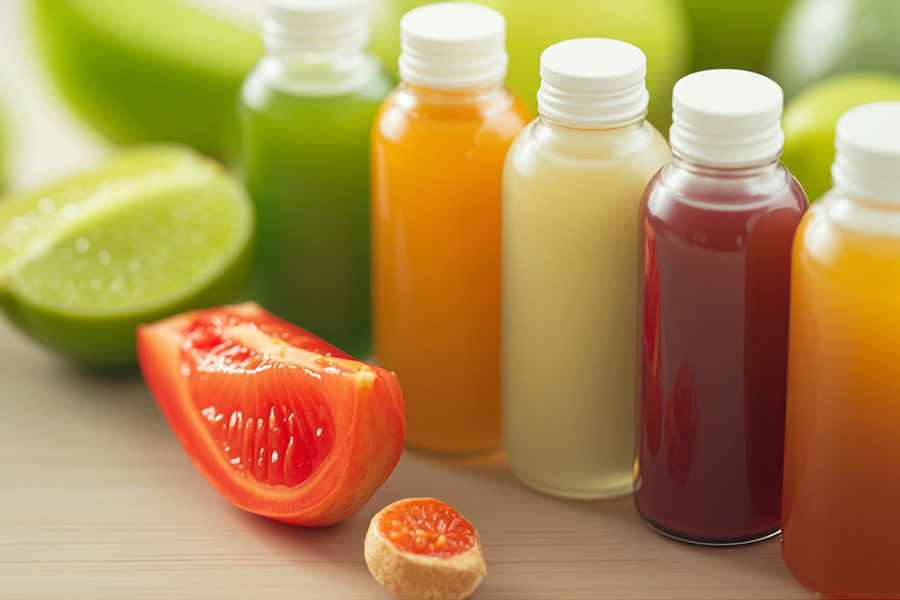
Beverages
Common packaging options:
- PET bottles
- HDPE bottles
- Flexible pouches
Popular products:
- Cold-pressed juices
- Functional beverages
- Smoothies
Ready-to-Eat Meals
Recommended packaging:
- Vacuum-sealed pouches
- Thermoformed trays
Benefits:
- Extended refrigerated shelf life
- Improved food safety
- Reduced preservatives
Meat and Seafood
Preferred packaging:
- Vacuum packaging
- Skin packaging
Benefits:
- Reduced microbial growth
- Better freshness retention
- Improved product appearance
Baby Food
Typical packaging:
- Flexible pouches
- Squeeze packs
Advantages:
- Clean-label products
- Nutrient preservation
- Enhanced food safety
Pet Food
Recommended solutions:
- Stand-up pouches
- Flexible containers
Benefits:
- Longer shelf life
- Better flavor preservation
- Reduced need for chemical preservatives
Common HPP Packaging Challenges
Package Expansion and Deformation
Improper material selection may lead to:
- Permanent deformation
- Wrinkling
- Reduced shelf appeal
Seal Failures
Weak seals can cause:
- Water ingress
- Product leakage
- Reduced food safety
Delamination
Poorly designed multi-layer structures may separate under high pressure, affecting package performance.
Best Practices for HPP Packaging Success
To maximize HPP performance:
- Select packaging specifically validated for HPP applications.
- Conduct pilot-scale testing before commercial production.
- Verify seal strength and package integrity regularly.
- Work closely with both packaging suppliers and HPP equipment manufacturers.
- Optimize packaging design based on product characteristics.
Partnering with the Right HPP Equipment Provider
Successful HPP implementation requires more than advanced equipment. A knowledgeable technology partner can help evaluate packaging compatibility, optimize processing parameters, and improve production efficiency.
At HPP equipment manufacturers, technical support teams often assist customers with packaging validation, product testing, and process optimization to ensure reliable commercial-scale production.
HiLock specializes in the research, development, design, manufacturing, and sales of ultra-high-pressure (UHP) technologies and equipment. We focus on ultra-high-pressure (HPP) non-thermal sterilization equipment and provide comprehensive technical and engineering project services. Our products and solutions are widely used in the food, beverage, cosmetics, pharmaceutical, and chemical industries. We have designed and manufactured hundreds of sets of experimental, pilot-scale, and production-scale UHP equipment for research institutions and enterprises both domestically and internationally.
The technology behind our ultra-high-pressure equipment series and the supporting production technologies were independently developed. We have obtained dozens of patents and hundreds of proprietary technologies, establishing ourselves as an industry leader. We collaborate with numerous Fortune 500 companies and more than 10 universities. Our products are exported to more than 20 countries and regions across five continents, including the United States, Canada, the Netherlands, Poland, Greece, Austria, New Zealand, Australia, South Korea, Thailand, the Philippines, Malaysia, and Vietnam, ranking among the top ten global suppliers of UHPS equipment. HiLock remains committed to a customer-centric approach, providing full-cycle services ranging from sample testing and process validation to equipment selection, installation, and commissioning.
Conclusion
Packaging plays a critical role in the success of High Pressure Processing. Choosing HPP-compatible materials and designs ensures product safety, shelf-life extension, and consistent processing performance.
Whether producing beverages, ready meals, baby food, pet food, seafood, or dairy products, selecting the right packaging solution is essential for maximizing the benefits of HPP technology and delivering high-quality products to consumers.