
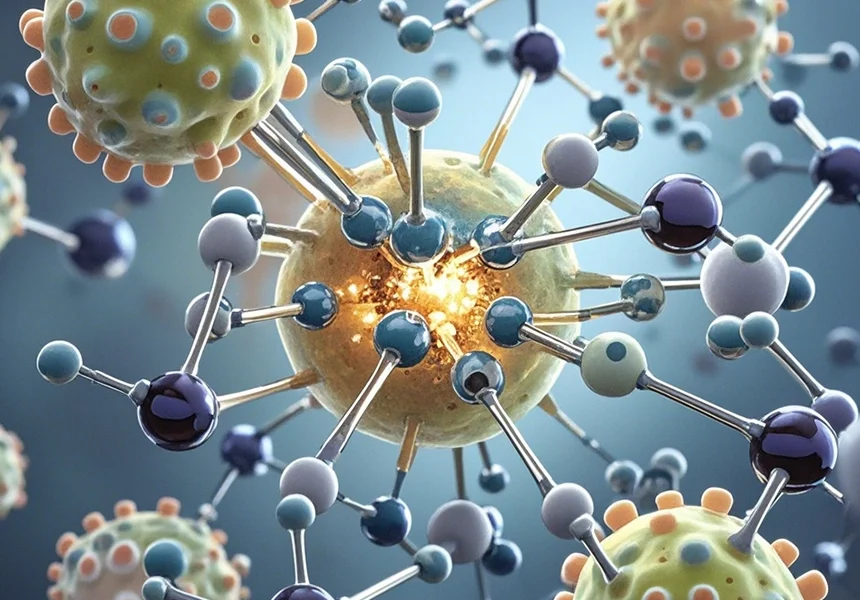
For decades, thermal sterilization has been the dominant method for controlling microbial contamination in food, beverages, pharmaceuticals, and biotechnology applications. While heating effectively destroys microorganisms, it can also cause undesirable changes, including nutrient degradation, flavor loss, color changes, and reduced bioactivity of sensitive compounds.
As industries demand cleaner labels, fresher products, and higher-quality preservation methods, non-thermal sterile processing technology has emerged as an advanced alternative.
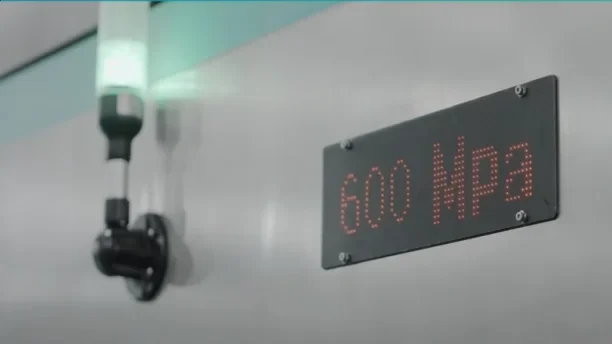
Among these technologies, High Pressure Processing (HPP) has become one of the most promising solutions. By applying extremely high hydrostatic pressure (typically 400–600 MPa) to food products and other materials instead of heat, HPP can effectively deactivate bacteria, yeasts, molds, and other microorganisms while preserving the original quality, nutritional value, and sensory characteristics of the products.
Modern high pressure processing equipment enables manufacturers to achieve reliable microbial safety through precise pressure control, automated processing cycles, and scalable industrial production systems.
This article explores the scientific principles behind pressure-based sterilization and explains how advanced sterilization equipment destroys bacterial structures without thermal damage.
What Is Non-Thermal Sterile Processing Technology
Non-thermal sterile processing technology refers to sterilization and microbial control methods that reduce or eliminate microorganisms without relying on high temperatures.
Unlike traditional thermal methods, which kill bacteria by applying heat energy, non-thermal technologies use physical mechanisms such as:
- High hydrostatic pressure
- Pulsed electric fields
- Ultraviolet irradiation
- Cold plasma
- Advanced filtration
Among these approaches, High Pressure Processing stands out because it can process packaged products while maintaining their sensory and nutritional properties.
The basic principle of HPP is simple:
- Products are placed inside a high-pressure vessel.
- Water is used as the pressure transmission medium.
- Pressure levels typically reach 300–600 MPa.
- The pressure is uniformly transferred throughout the product.
- Microbial structures are damaged and microorganisms become inactive.
Unlike heat treatment, pressure affects microorganisms regardless of product shape or size because pressure transmission is instantaneous and uniform.
How High Pressure Processing Destroys Bacterial Structures
The effectiveness of HPP comes from its ability to disrupt essential cellular structures of microorganisms.
Cell Membrane Disruption
The bacterial cell membrane serves as an essential barrier that regulates the exchange of substances between the cell and its external environment. Under ultra-high pressure conditions, the cell membrane is exposed to significant mechanical stress, causing structural alterations. Increased membrane permeability leads to the leakage of intracellular components, disrupting normal cellular metabolic functions. In addition, high pressure may cause membrane rupture, directly resulting in bacterial inactivation or death.
Cell Wall Disruption
The bacterial cell wall provides structural protection and maintains the integrity of internal cellular components. Ultra-high pressure can compress and deform the cell wall, compromising its structural stability. Damage to the cell wall affects bacterial morphology and overall stability, making the microorganisms more vulnerable to environmental stress and ultimately leading to cell death.
Protein Denaturation
Proteins inside bacterial cells may undergo denaturation under ultra-high pressure treatment. The three-dimensional structures of proteins are altered, causing them to lose their original biological activities. This disruption affects essential bacterial functions, including metabolism, growth, and reproduction, ultimately resulting in microbial inactivation.
Nucleic Acid Damage
Nucleic acids are the carriers of genetic information in bacteria. Ultra-high pressure may cause damage to nucleic acids, affecting critical processes such as DNA replication and transcription. This interference prevents the transfer of genetic information and inhibits bacterial growth and reproduction.
Why HPP Is Different From Traditional Sterilization Equipment
Traditional sterilization equipment usually relies on heat, steam, or chemical agents.
Common challenges include:
| Traditional Sterilization | High Pressure Processing |
|---|---|
| Requires high temperature | Uses pressure instead of heat |
| May reduce nutrients | Better nutrient retention |
| Can change flavor and texture | Maintains fresh characteristics |
| Often requires preservatives | Supports clean-label products |
| Limited application for heat-sensitive products | Suitable for sensitive formulations |
Modern high pressure processing equipment provides manufacturers with a flexible solution for products where freshness and quality are critical.
Key Advantages of High Pressure Processing Equipment
Preserves Natural Product Quality
Because HPP operates at low or ambient temperatures, it minimizes thermal degradation.
Benefits include:
- Better flavor retention
- Improved color stability
- Preservation of vitamins and bioactive compounds
- Reduced need for additives
This makes HPP ideal for premium food, beverage, and biotechnology applications.
Provides Uniform Sterilization
Pressure is transmitted evenly through water, allowing:
- Consistent microbial reduction
- No cold spots
- Reliable batch processing
Unlike heat sterilization, product geometry has less influence on treatment efficiency.
Supports Clean Label Manufacturing
Consumer demand for:
- Natural ingredients
- Preservative-free products
- Fresh taste
- Minimal processing
has accelerated the adoption of non-thermal technologies.
HPP helps manufacturers achieve longer shelf life without relying heavily on chemical preservatives.
Flexible Industrial Applications
Advanced HPP systems are widely used in:
Food Industry
- Ready-to-eat meals
- Meat products
- Seafood
- Sauces
- Dairy products
- Baby food
Beverage Industry
- Cold-pressed juices
- Functional drinks
- Smoothies
Biotechnology and Pharmaceutical Fields
- Biological formulations
- Sensitive compounds
- Research applications
Cosmetics Industry
- Natural cosmetic products
- Active ingredient preservation
The Role of Advanced Sterilization Equipment Design
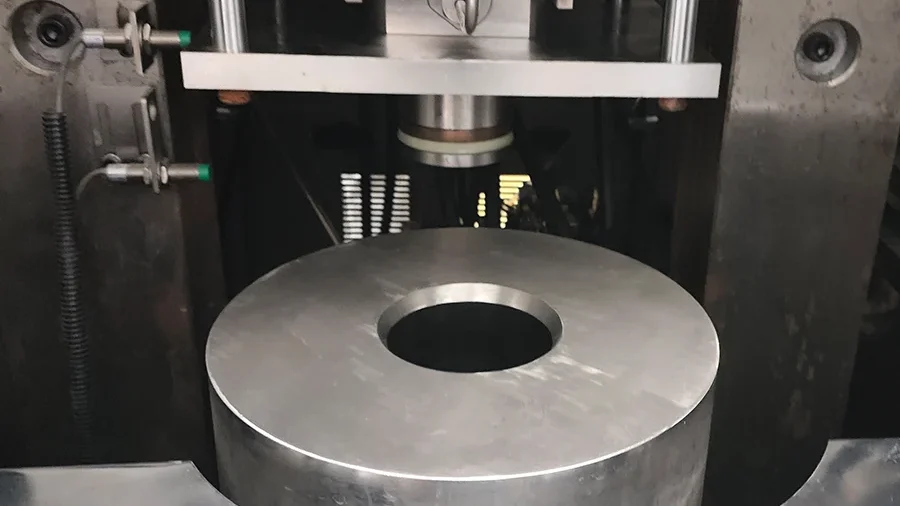
High pressure sterilization equipment is the foundation of modern non-thermal sterilization technology. Through advanced high-pressure vessels, powerful intensification systems, and precision control components, HPP equipment can achieve reliable microbial inactivation at pressures of 400–600 MPa while preserving product quality and nutritional value.
As an essential part of sterile processing technology, high pressure processing equipment provides industries such as food, beverage, cosmetics, and biotechnology with a safe, efficient, and sustainable alternative to traditional thermal sterilization methods.
Future Development of Non-Thermal Sterilization Technology
The global trend toward healthier, fresher, and minimally processed products continues to drive innovation in non-thermal sterilization.
Future developments include:
- Higher automation levels
- Energy-efficient pressure systems
- Digital process monitoring
- AI-assisted optimization
- Larger production capacities
Manufacturers are increasingly adopting HPP as part of integrated processing solutions rather than simply purchasing standalone machines.
The future of sterilization is moving toward technologies that balance:
Safety + Quality + Sustainability + Efficiency
Conclusion: Pressure-Based Sterilization for the Next Generation of Processing
Non-thermal sterile processing technology represents a major advancement in microbial control. Instead of relying on heat, High Pressure Processing uses physical pressure to damage bacterial membranes, disrupt proteins, and stop cellular activity.
With advanced high pressure processing equipment, manufacturers can achieve effective microbial reduction while preserving freshness, nutrients, and product quality.
As demand grows for cleaner, safer, and higher-quality products, HPP is becoming a critical technology across food, beverage, cosmetic, and biotechnology industries.
For companies seeking reliable sterilization equipment and complete high-pressure processing solutions, partnering with an experienced technology provider ensures not only equipment performance but also long-term application success.