
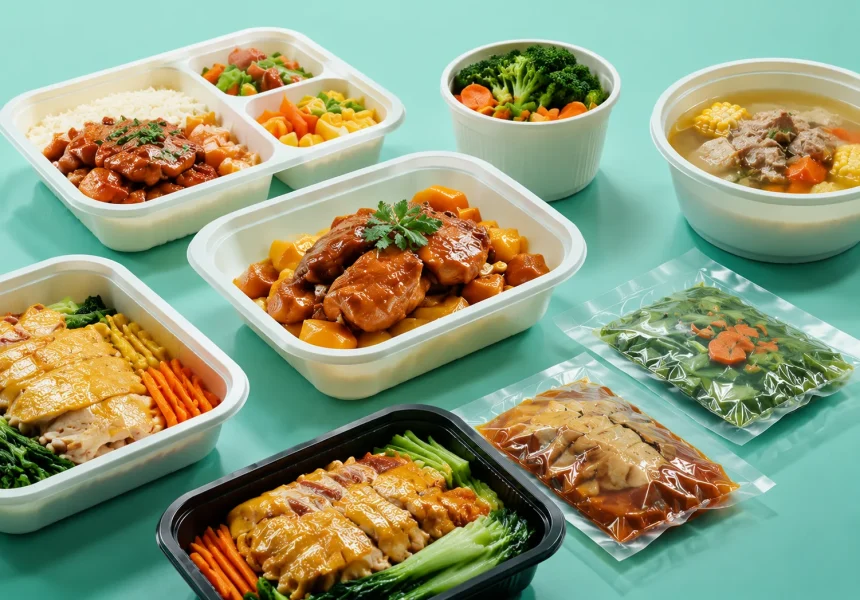
The global ready-to-eat (RTE) meal market is expanding rapidly as consumers increasingly seek convenient food solutions without compromising nutrition, freshness, and safety. From prepared meals and refrigerated dishes to meal kits and convenience foods, manufacturers face growing challenges in maintaining product quality while meeting strict food safety requirements.
Traditional thermal sterilization methods have played an important role in food preservation for decades. However, high-temperature processing can negatively affect flavor, texture, color, and nutritional value. As consumer expectations evolve, food manufacturers are looking for advanced preservation technologies that can achieve microbial safety while maintaining the original characteristics of food products.
High Pressure Processing (HPP) has emerged as one of the most innovative non-thermal food processing technologies. By applying extremely high pressure to packaged food products, HPP effectively reduces harmful microorganisms while preserving freshness, taste, and nutritional properties.
With advanced high pressure processing equipment, manufacturers can create safer, cleaner-label, and higher-quality ready-to-eat meals that meet the demands of modern consumers.
What Is HPP Technology for Ready-to-Eat Meals?
High Pressure Processing is a cold pasteurization technology that uses water-based pressure transmission to treat food products under ultra-high pressure conditions, typically ranging from hundreds of megapascals.
Unlike traditional heat-based sterilization, HPP does not rely on high temperatures to destroy microorganisms. Instead, pressure disrupts microbial cell structures, reducing pathogens while maintaining the natural properties of food.
For ready-to-eat meals, HPP provides several important advantages:
- Maintains fresh taste and natural texture
- Protects heat-sensitive nutrients
- Reduces microbial contamination risks
- Extends refrigerated shelf life
- Supports clean-label food production
- Minimizes the need for artificial preservatives
This makes HPP an ideal solution for modern food manufacturers producing premium-quality prepared meals.
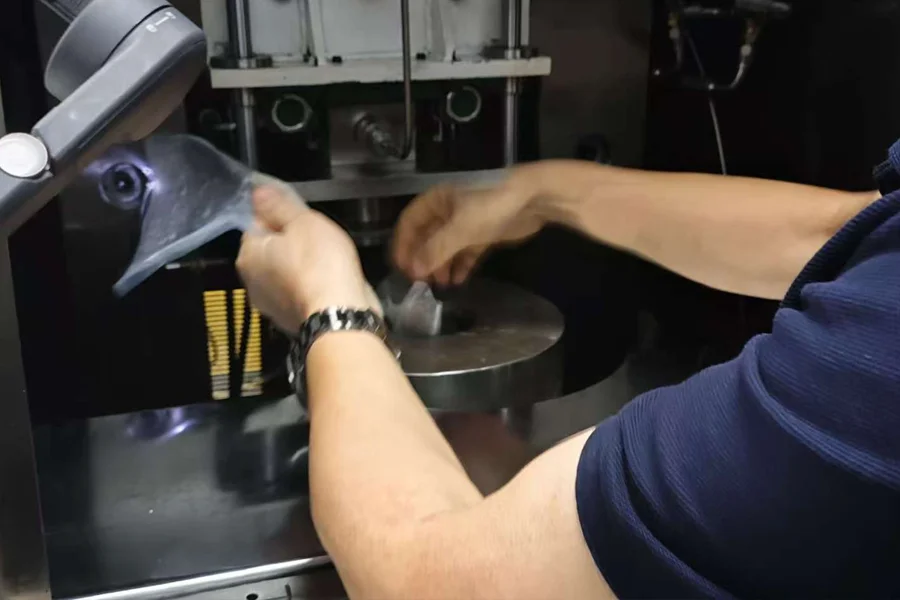
Why Ready-to-Eat Meal Manufacturers Need Advanced HPP Equipment
The ready-to-eat food industry requires reliable preservation solutions because products often contain complex ingredients, including proteins, vegetables, sauces, and functional components.
A professional HPP system provides precise pressure control and stable processing performance, allowing manufacturers to achieve consistent product safety and quality.
Modern high pressure processing equipment offers:
1. Improved Food Safety Without Heat Damage
Food safety is the highest priority for ready-to-eat meal producers. Pathogens such as Listeria monocytogenes, Salmonella, and other microorganisms pose significant risks throughout the food supply chain.
HPP technology provides an effective microbial reduction process while avoiding excessive heat exposure.
Compared with conventional thermal methods, HPP helps maintain:
- Fresh vegetable color
- Meat tenderness
- Sauce flavor
- Nutritional ingredients
- Natural sensory characteristics
This creates safer products while preserving the eating experience consumers expect.
2. Extended Shelf Life and Reduced Food Waste
Shelf-life improvement is one of the biggest advantages of HPP for ready-to-eat meals.
By reducing microbial activity after packaging, HPP allows manufacturers to extend product freshness during transportation, storage, and retail distribution.
Benefits include:
- Longer refrigerated shelf life
- Lower product return rates
- Reduced food waste
- Improved supply chain efficiency
- Wider distribution opportunities
For global food brands, HPP creates opportunities to expand markets while maintaining product consistency.
3. Better Product Quality and Consumer Experience
Today’s consumers are not only looking for safe food—they expect fresh, natural, and minimally processed products.
HPP helps preserve the original quality of ready-to-eat meals by maintaining:
- Natural flavors
- Original colors
- Fresh textures
- Functional ingredients
This is especially valuable for premium products such as:
- Fresh prepared meals
- Protein-based dishes
- Plant-based meals
- Seafood products
- Refrigerated convenience foods
Choosing the Right HPP Equipment Manufacturers
Selecting reliable HPP equipment manufacturers is essential for achieving stable production performance and long-term operational success.
A professional HPP ready-to-eat meals solution provider should offer more than equipment supply. Manufacturers should evaluate suppliers based on:
1. Advanced Engineering Capability
High-quality HPP systems require expertise in:
- Ultra-high-pressure system design
- Precision manufacturing
- Pressure control technology
- Automated process management
Strong engineering capabilities ensure reliable operation under demanding industrial conditions.
2. Customized Processing Solutions
Different ready-to-eat meals have different requirements depending on:
- Ingredients
- Packaging formats
- Production capacity
- Target shelf life
- Processing conditions
Leading HPP equipment manufacturers provide customized solutions including:
- Process development
- Equipment configuration
- Production line integration
- Application testing
3. Complete Lifecycle Support
A reliable HPP supplier should provide full technical support throughout the equipment lifecycle.
This includes:
- Installation guidance
- Operator training
- Maintenance services
- Spare parts supply
- Process optimization
A complete support system helps manufacturers maximize equipment value and production efficiency.
HPP Equipment as Next-Generation Food Sterilization Equipment
As food safety regulations become increasingly strict, manufacturers are moving toward advanced preservation technologies.
Modern food sterilization equipment must achieve several goals simultaneously:
- High microbial safety performance
- Minimal impact on food quality
- Energy-efficient operation
- Flexible production capability
- Compliance with global standards
HPP meets these requirements by providing a sustainable alternative to traditional sterilization approaches.
Unlike heat sterilization, HPP reduces quality degradation and supports the production of premium foods with cleaner ingredient labels.
Customized HPP Solutions for Global Food Manufacturers
Every food product has unique processing requirements. A successful HPP application requires not only advanced equipment but also deep understanding of product characteristics and production goals.
With expertise in ultra-high-pressure technology, precision manufacturing, and integrated application solutions, advanced HPP providers support customers from initial product development to industrial-scale production.
Professional HPP solutions can include:
- Laboratory testing
- Pilot-scale validation
- Equipment customization
- Production system integration
- Long-term technical support
This complete approach helps food companies achieve consistent quality, improved safety, and competitive advantages in global markets.
Application of HiLock HPP Technology in Ready-to-Eat Meals
HiLock HPP technology is applied in the prepared meals industry primarily in the following areas, effectively addressing industry pain points and enabling brand upgrades.
1. Core Technical Advantages
HPP technology achieves physical cold sterilization through ultra-high pressure (300-600 MPa) at room temperature (5-25°C). Its core value is as follows:
| Dimension | Specific Performance |
|---|---|
| Sterilization Effect | Inactivation rate ≥99% for pathogenic bacteria such as E. coli, Salmonella, and Listeria; total bacterial count reduced by 6-log; product safety is significantly enhanced. |
| Nutrition & Flavor Retention | Retention rate of heat-sensitive nutrients (e.g., Vitamin C, protein) >90%; no thermal processing off-flavors; preserves the original flavor of ingredients. For example, a branded fresh salad using HPP technology retains its fresh taste. |
| Clean Label | Pure physical sterilization, requiring no chemical preservatives; aligns with the clean label trend and meets consumer demand for healthy food. |
| Shelf Life Extension | Extends shelf life from the traditional 3-7 days to 30-60 days or even longer under refrigerated conditions. For example, a branded fresh salad’s shelf life was extended to 45 days. |
2. Solutions to Prepared Meal Pain Points
Addressing Nutrient Loss and Texture Deterioration:
- Pain Point: Traditional high-temperature sterilization damages nutrients (e.g., Vitamin C loss up to 50%) and significantly degrades texture.
- HPP Solution: Retains over 90% of heat-sensitive nutrients through non-thermal processing; restores over 90% of the freshly cooked texture; eliminates “cooked/stewed” flavors; maintains vegetable crispness and prevents meat from becoming mushy.
Resolving Preservative Trust Issues:
- Pain Point: Heavy reliance on preservatives to extend shelf life leads to consumer trust issues.
- HPP Solution: Achieves zero added preservatives, helping brands create “clean label” products and enhancing brand credibility.
Overcoming Homogeneous Competition and Low Brand Premium:
- Pain Point: High market homogeneity, leading to price wars and low gross margins (approx. 30%).
- HPP Solution: Enables brands to differentiate through concepts like “cold sterilization” and “fresh technology,” achieving a 20%-30% brand premium. For example, a premium brand using HPP technology increased its product price by 30% while experiencing a sales increase.
3. Overall Cost Reduction and Commercial Value
- Reduced Return Losses: Extended shelf life reduces spoilage-related returns. One company using HPP technology saw its return rate drop from 5% to 1%.
- Extended Supply Chain Radius: Longer product freshness allows for distribution to more distant markets, expanding the market reach.
- Improved Production Efficiency: Fast processing speed shortens production cycles and supports large-scale manufacturing.
4. Application Examples and Market Recognition
- Prepared Dishes & Ready-to-Eat Meals: HPP technology maintains the distinct texture and crispness of vegetables, meat, and sauce components in mixed packaging, preventing sogginess and layering. Low-salt recipes can achieve a refrigerated shelf life of 25-30 days.
- Access to Premium Channels: The “HPP” label serves as a key credential for entry into high-end supermarkets and healthy light-food channels, helping companies develop high-profit categories like short-shelf-life fresh food and baby food.
- Market Data: Consumers show a high willingness to pay, with a 20%-30% premium for HPP products. One brand’s HPP prepared meal saw a 50% sales increase and a 60% repurchase rate after launch.
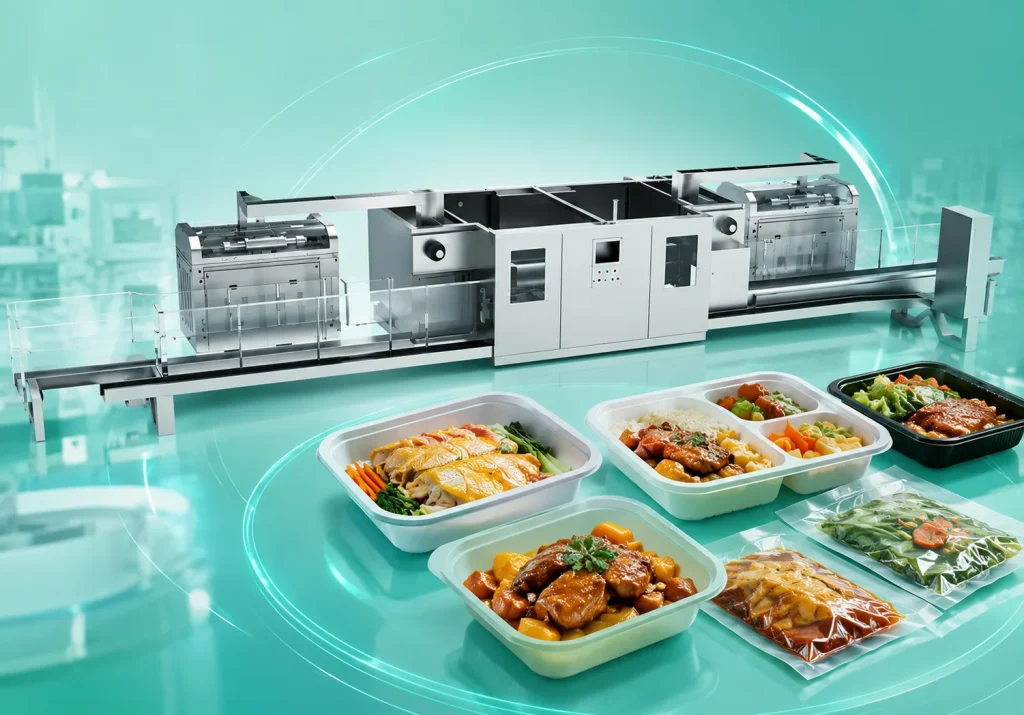
Conclusion: HPP Creates a New Future for Ready-to-Eat Meals
The ready-to-eat meal industry is entering a new era where food safety, freshness, and quality must work together. Traditional preservation methods alone cannot always meet modern consumer expectations.
High Pressure Processing provides a powerful solution by combining microbial safety with superior product quality. Through advanced high pressure processing equipment, reliable HPP equipment manufacturers, and innovative food sterilization equipment, food producers can develop safer, fresher, and more sustainable ready-to-eat products.
HiLock HPP technology effectively addresses the core pain points of the prepared meals industry—nutrition, texture, safety, and brand premium—through physical cold sterilization. It is a key tool for prepared meal companies to achieve technological upgrading, value enhancement, and brand breakthrough.
As demand for convenient and premium-quality foods continues to grow, HPP technology will play an increasingly important role in shaping the future of global food manufacturing.